On The Other Hand -
Book Reviews
Lifestyle, Cigars & More
Musings
About
On The Other Hand -
  • Book Reviews
  • Lifestyle, Cigars & More
  • Musings
  • About
Book Reviews

Lenin by Victor Sebestyen

November 18, 2022 by Barry J. Klazura No Comments

Lenin, the great icon of Communism, was raised and lived the life of a bourgeois. Cared for and pampered by his mother and family, then by his wife Nadya Krupskaya, he could not live on his meager earnings and so continually received money from his mother and from the donations of wealthy liberal capitalists who did not understand his total hatred of them. He lived a life dedicated to revolution, but never raised a fist in anger, never stood on the barricades and was known to flee at the first sign of violence. Yet, when power came to him, he easily ordered the deaths of real and supposed enemies, including those who had opposed him philosophically.

In several reviews, this book was praised for exposing the real Lenin, for breaking the shell which had been carefully crafted creating an image of benign intellectualism detached from the slaughter’s instituted by Stalin. Yet the book, if read without a knowledge of the seizure of power, the Civil War and the creation of the Soviet state would not in and of itself destroy the myth of the peaceable Lenin. There are only a couple of examples of his willingness to shed blood, as when the elevator in the Kremlin was not working for a few days and Lenin demanded that the maintenance man be shot, or more seriously, when there was famine in the countryside. At that time, Lenin was approached with an appeal to ease up on the countryside food seizures, but his response was that it was an ideal time to begin the liquidation of the priests and churches as people’s attention would be diverted. In reality, Lenin was a driving force behind the formation and actions of the Cheka, ‘the sword and shield’ of the Communist Party. Like Stalin after him, Lenis read the list of those executed as well as personally signing the lists of those awaiting execution.

Aside from not exposing the ruthlessness of Lenin, the rest of the book does reflect Lenin’s ability to bring others to his way of thinking and his excellent sense of timing, politically. Although like others, he was surprised by the overthrow of the Tsar (just as decades later everyone was surprised by the collapse of the Soviet Union), he reacted quickly to return to Russia and pick up the direction of the revolution. Although his face was not even recognized in Russia, he was able to direct and corral the energy of the times and the streets to successfully seize power. Then, thanks to his drive and the skills of men like Trotsky, Dzerzhinsky, and others, the first Communist government was able to survive war, famine, civil war and more.

This is an excellent biography of a man who has been immortalized as a brilliant thinker and leader but misunderstood. His self-centeredness, intellect, patience, and ruthlessness are all laid out for examination. For anyone seeking to have a better understanding how such a terrible system could be founded and survive with such a small base of support, read this book.

Share:
Reading time: 2 min
Book Reviews

Russia, Revolution and Civil War, 1917-1921 by Antony Beevor

November 7, 2022 by Barry J. Klazura No Comments

A revolution is a terrible time of death and destruction. Some revolutions are justified, some are not; some are begun with the highest of intentions, some are started with the most common of intentions. If followed by a civil war, the misery and destruction to lives, property, morals, industry, and traditions is even greater. Finally, add an ignorant and easily led mass of humanity that has suffered under a form of government which has only used those masses for its own enrichment, and you will begin to understand the revolution and civil war in what was known as Russia from 1917-1921. Millions of people, most of them innocent and caught between forces they neither supported nor understood were tortured, raped, robbed, and murdered often by methods that only the most insane and hate filled savages could have devised.

Anthony Beevor, an excellent military historian has tried to put together in one place a comprehensive history of the Russian revolution and civil war. It was a huge task as the period is filled with countless political, military and outlaw factions that ranged across a land that covers one-seventh of the globe. Each faction is filled with personalities guided by, for the most part, the basest of emotions, greed, illusions of grandeur, ignorance, hatred, etc. Few of those factions have any real program except survival and a hope that they can eliminate some other faction that is in the neighboring town or province. They are used and discarded by allies and often just as quickly ally themselves with yesterday’s foe.

All do except the Communist faction. Driven by a vision that was simple for the most ignorant to grasp, and enforced by a single-minded discipline, the Communists were, from a central position able to fight and defeat their poorly disciplined enemies. In a time when entire villages were destroyed for providing horses or food to one faction, normally at the point of a gun, the “Reds” as the Communists were called, were able to our terrorize the masses and their foes, the “Whites”, a loose group of armies over-officered, reactionary and possessing no simple program to offer anyone in the middle.

Continue reading
Share:
Reading time: 3 min
Book Reviews, Uncategorized

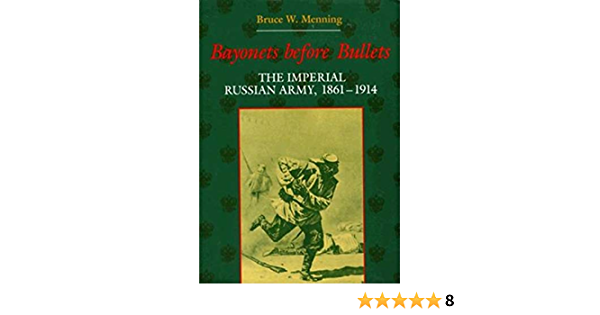
Bayonets before Bullets, the Imperial Russian Army, 1861-1914 by Bruce W. Menning

September 20, 2022 by Barry J. Klazura No Comments

The Russian army has had moments of brilliance, such as the defeat of Napoleon and the logistical miracle of following him from Moscow to Paris. There is no doubt that the army which was responsible for ninety percent of German losses in WWII (thanks in large part to the supplies provided by the U.S. and the U.K. at no charge) played a key part in the defeat of Hitler.

Today however, we see a Russian army that sadly fits the stereotype in many people’s minds; poorly trained, led and equipped. Once again, without total mobilization, the Russian army is simply too small and poorly led for the job of defending its immense country.

Is the stereotype accurate when looking at the Russian army currently in the field? This book helps to put the challenges of that army in an historical context.

With the defeat during the Crimean War, the new Czar realized that his army while large, could not compete with those of other European nations.  Thus began, over the next 50 years, attempts to update the military skills of the officer corp., the weapons, training, etc. of the entire Imperial Army.  But serious questions arose and continued to rise as rapid changes in military technology raised doubts about long held beliefs and new theories of the military art.  Those same questions would worry the military minds of other European powers.  To give a couple of examples:

  • The old theory was that the troops would line up for attack at 250 paces from the enemy, but with smokeless powder (hence a longer range), that distance began to expand to 500 paces, then 1000 and eventually over a kilometer and a half from the enemy forces.  This meant that the killing ground was expanded and what steps could be taken to minimize lives?
  • Along with the infantry, direct fire artillery since the time of Napoleon had played a major part in any attack or defense.  But with the longer range of infantry weapons, the artillerist was more open to withering fire so new tactics such as indirect fire had to be worked out.

Many officers had theories to answer these and other questions, but at the same time there were vested interests which refused to acknowledge these and many other problems.  Top generals, who fought during the Napoleonic wars still believed in the shock value of cavalry, and their influence ate up huge sums of the military budget.

Financial concerns were also a top priority.  Training was often poor, especially further away from St. Petersburg and due to tight budgets, for example, the artillery was limited to only two rounds of certain types of ammunitions per gun per year!  Bullets were expensive so large rattles were used to imitate the sound of machine guns firing. 

And yet, despite the stereotype of the dark plodding masses, gradually the army learned and moved on; allowances for more initiative at the lower levels was encouraged and a Staff school was set up to create a more professional officer class.  A major problem however, was that seniority still ruled and the more professional staff officers were cut off from reaching the highest levels.

The book covers not only the areas above, but a basic description of the war with Turkey (1877-78) and Japan (1904-05) to the eve of WWI.  It does not go into the financial arrangements with France which lead to much of Russia’s fail development prior to the war (all of which was aimed at moving the Russian army faster against Germany), but does give some detail on the under estimation of the Russian army as to the amount of munitions needed for modern war (despite the experience of the war with Japan), but then so did most of the other European nations.

An interesting book for the military historian, but it can be dry and academic.  I would like to see similar books on the German and French armies during the same time.op

iance, such as the defeat of Napoleon including it logistical excellence in its ability to follow him all the way to Paris. There is no doubt that it won the Second World War by inflicting ninety percent of the German casualities (helped in large part by the supplies provided at no cost by the U.S. Yet currently, we see a Russian army that fits the

With the defeat during the Crimean War, the new Czar realized that his army while large, could not compete with those of other European nations.  Thus began, over the next 50 years, attempts to update the military skills of the officer corp., the weapons, training, etc. of the entire Imperial Army.  But serious questions arose and continued to rise as rapid changes in military technology raised doubts about long held beliefs and new theories of the military art.  Those same questions would worry the military minds of other European powers.  To give a couple of examples:

  • The old theory was that the troops would line up for attack at 250 paces from the enemy, but with smokeless powder (hence a longer range), that distance began to expand to 500 paces, then 1000 and eventually over a kilometer and a half from the enemy forces.  This meant that the killing ground was expanded and what steps could be taken to minimize lives?
  • Along with the infantry, direct fire artillery since the time of Napoleon had played a major part in any attack or defense.  But with the longer range of infantry weapons, the artillerist was more open to withering fire so new tactics such as indirect fire had to be worked out.

Many officers had theories to answer these and other questions, but at the same time there were vested interests which refused to acknowledge these and many other problems.  Top generals, who fought during the Napoleonic wars still believed in the shock value of cavalry, and their influence ate up huge sums of the military budget.

Financial concerns were also a top priority.  Training was often poor, especially further away from St. Petersburg and due to tight budgets, for example, the artillery was limited to only two rounds of certain types of ammunitions per gun per year!  Bullets were expensive so large rattles were used to imitate the sound of machine guns firing. 

And yet, despite the stereotype of the dark plodding masses, gradually the army learned and moved on; allowances for more initiative at the lower levels was encouraged and a Staff school was set up to create a more professional officer class.  A major problem however, was that seniority still ruled and the more professional staff officers were cut off from reaching the highest levels.

The book covers not only the areas above, but a basic description of the war with Turkey (1877-78) and Japan (1904-05) to the eve of WWI.  It does not go into the financial arrangements with France which lead to much of Russia’s fail development prior to the war (all of which was aimed at moving the Russian army faster against Germany), but does give some detail on the under estimation of the Russian army as to the amount of munitions needed for modern war (despite the experience of the war with Japan), but then so did most of the other European nations.

An interesting book for the military historian, but it can be dry and academic.  I would like to see similar books on the German and French armies during the same time.

Share:
Reading time: 6 min
Book Reviews

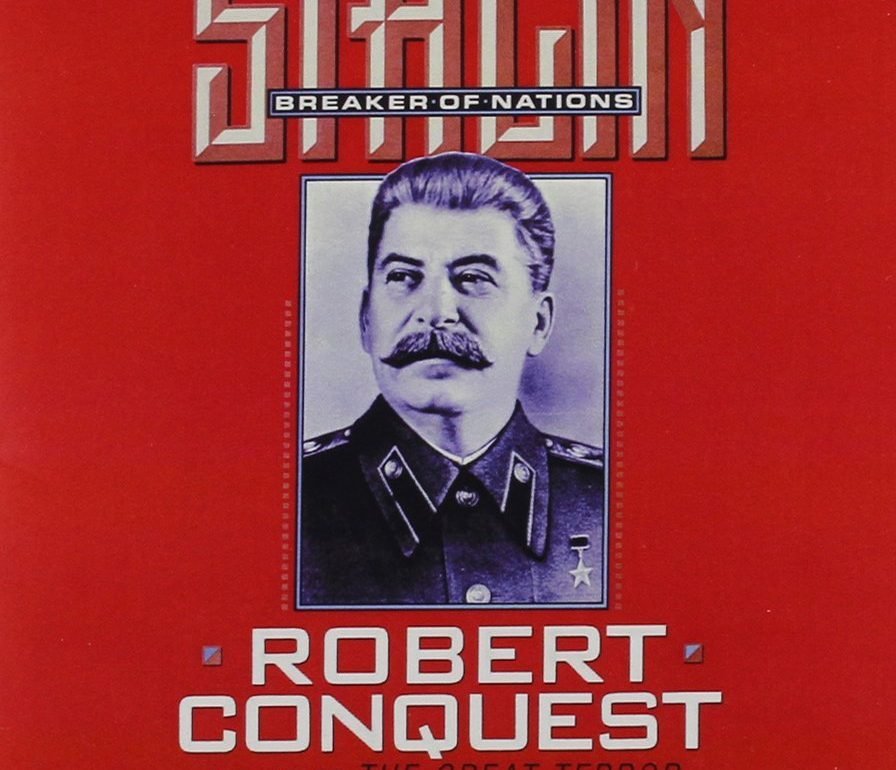
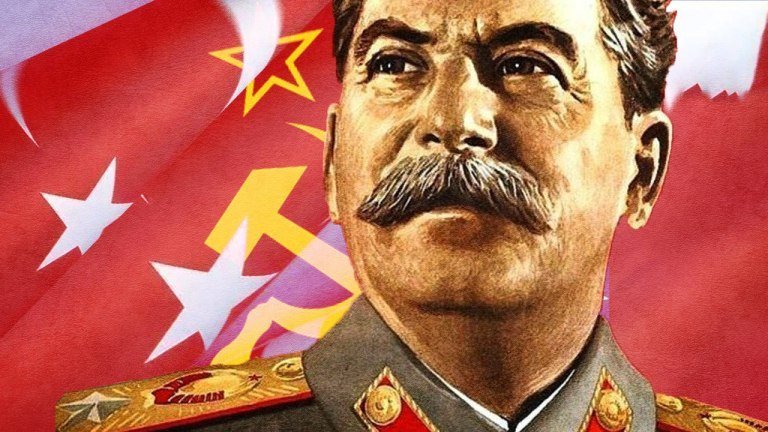
Stalin: Breaker of Nations by Robert Conquest

September 6, 2022 by Barry J. Klazura No Comments

There is certainly no shortages of histories and biographies of Stalin, one of the greatest mass murderers in history. His crimes, his murders were taken unlike his contemporary, Hitler, against for the most part, his own people. He did not have a policy of racial superiority or any underlying moral rationale for his crimes; his sole purpose was to achieve and maintain his power and in this, he is unique among the “big three” of mass murderers: Mao, Hitler, and Stalin.

Robert Conquest, perhaps the top historian of the Soviet Union has in this short book (just over three hundred pages), an excellent overview of Stalin’s drive, achievement, and maintenance of power. Although not as detailed as his other excellent histories which go deeper into the Stalin regime (The Harvest of Sorrow, The Great Terror: A Reassessment, Inside Stalin’s Secret Police: NKVD Politics 1936-39, etc.), Conquest along with Robert C. Tucker and Orlando Figes (and others) has provided a comprehensive analysis of the man and his times.

Conquest as always, manages to provide a certain analytical approach that can bring the reader up short: in this case, it is his comparison of the followers of Nazism and Communism. He quotes Hugh Seton-Watson’s comments that:

“Hitler’s Nazis were ‘fanatics with an ersatz religion,’ who rejected not only Christianity but also traditional morality as such. Nazism’s central feature was ‘moral nihilism’…. (it) is not only the central feature of National Socialism, but also the common factor between it and Bolshevism.” 

This statement is backed up by a review of leading Nazis, including Hitler, Goebbels, Mussolini, the dreaded Gauleiter of the Ukraine, Koch, and others who all started out as Socialist and ended up as either Fascists or Nazis. And it was not unusual after the war for die hard Nazi’s to reverse their coat and be taken into the Soviet camp. On one hand, the Nazis use race, the Communist used social origin as the determining factor for life or death; both were (are) based on “moral nihilism.”

Conquest is an outstanding historian, but for the amateur historian, his writing may be a bit too intellectual. He has a firm grounding in the Russian mindset and his analysis of Stalin’s legacy on modern day Russians is excellent. His works not only encompass history, as he has had published a collection of poetry, verse translation, fiction, and criticism so to read Conquest is to be exposed to a man of great intellect. A faster read but no less excellent Soviet historian is Orlando Figes brings a more human touch to his histories.

As one learns Conquest’s style, one is drawn increasingly to it and like a favorite composer, one eagerly looks forward to the next work of his that one shall read.

Share:
Reading time: 2 min
Book Reviews

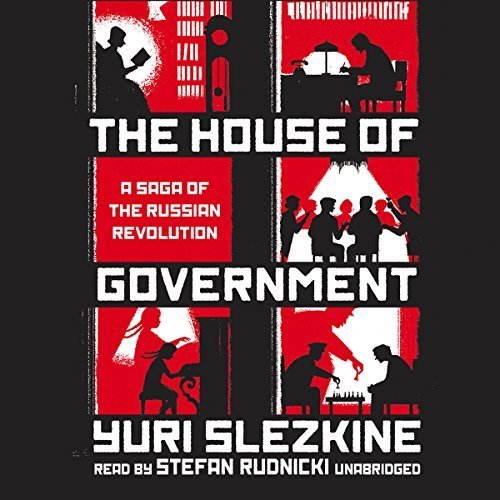
The House of Government by Yuri Slezkine

June 24, 2022 by Barry J. Klazura No Comments

Martin Amis wrote, “The chief demerit of the Marxist program was its point-by-point defiance of human nature”. Yuri Slezkine creates a solid argument that Marxism was a change of faith and that it was a cult, filled with dogmas that defied logic and human history.  Could a parallel be drawn between Marxism and the early Church?  Both were fueled by dogmas, their gospel was spread by zealous “preachers” who devoted their lives to their new religion; they both had martyrs, a hierarchy of disciples and believed that they were able to create a new and better world.  Marxism went one step further in that it’s view of human nature was entirely against the course of history, but their dogma answered “history” in that the nature of man had been corrupted by all societies throughout history.  Thus, while claiming to be founded on “science”, the dogma of Marxism discounted all known evidence.  With that dogma, they unlike the Church, claimed that they were able to create a “new man”, freed from the chains of the past, of the “artificial” realities of the world, able to create a world filled with happy, satisfied, productive individuals.

Of course, no one believed that true Marxism could be achieved overnight, and so there had to be a period of the dictatorship of the proletariat.  During that time, priests, aristocrats, kulaks, capitalist, the majority of academics and others needed to be purged. The bourgeois institution of marriage was also to be amended so that women would not be oppressed.  The failure of the Soviet experiment of easy divorce quickly created a problem so the need for the family was recognized (at least until the children could be raised almost entirely by the State).  And, this helped to eventually be a major problem for the longevity of Communism, for parental influence could not be entirely countered.

Continue reading
Share:
Reading time: 4 min
Book Reviews

The Crimean War by Orlando Figes

May 30, 2022 by Barry J. Klazura No Comments

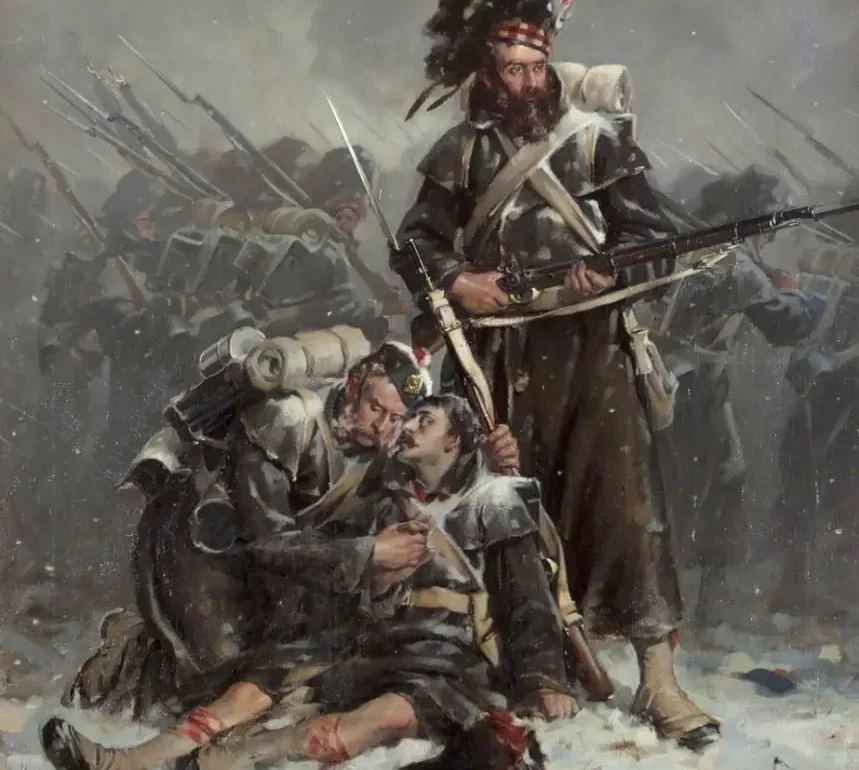
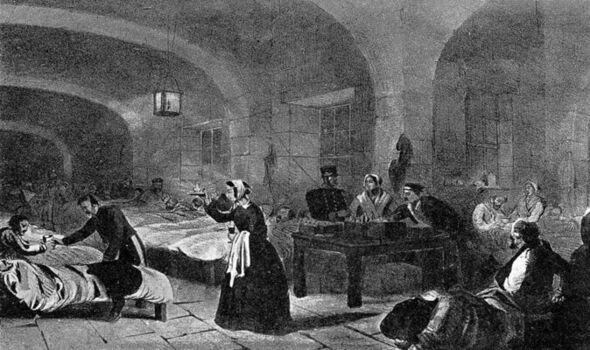
One of the pleasant things about histories by Figes is that they are so readable. Like two of other histories of his I have read, (“The Whisperers” and “A People’s Tragedy”), Figes has the ability to bring the past alive and make you feel as if you are part of the action. He does not concentrate on battle scenes (although battles are covered), but he centers on the lives of the ordinary soldiers. In this book he gives short shift to Florence Nightingale but points out the breakthrough of a Russian surgeon, Dr. Nikolai Pirogov who used an early form of triage as well as anesthesia.

Despite the common view of the war, it was the French who supplied most of the troops, not the British and it was the French, not the British who better supplied their men with everything, from tents to food to warm coats for the cold Crimea winter, etc. Among the allied armies, approximately eighty percent of the deaths were due to disease, frostbite, etc.

It is also interesting to note that there were very real plans for a coalition whose goals was the breakup of the Russian Empire, including invasions of Russia from the Baltic, uprisings in Poland and an invasion from the Crimea into the area of Kiev. But as the causalities began to mount, the enthusiasm for such great plans began to wane and in the end a settlement was made.

For all the loss of blood and lives, Russia was able to regain her position within 25 years and continue to create problems in the Balkans. Her meddling and ambitions led to World War I thanks to a system that refused to believe that the world was changing and was all too often in the hands of a single man who could be unbelievably foolish.

A big book (about five hundred pages) but an interesting one which never goes off into tangents that do not serve to tell the main story. This is my third reading of these excellent history and each time I pick up some interesting tidbit in which historians (even amateurs such as myself) delight.

Share:
Reading time: 1 min
Musings, Quips and Historical Facts

The Russian Soldier’s Only Hope

May 12, 2022 by Barry J. Klazura No Comments

I am re-reading Orlando Figes’ (for the third time) excellent The Crimean War and I was struck by the plight of all the soldiers (particularity the British, Russian and Ottoman). The daily trials of poor food, lack of medical facilities, diseases, abuse from officers including whipping enlisted men can make the horrors of actual battle seem less terrible.

In this reading, I have come to realize that alone among armies in the West, the Russian army seems to have consistently been the worse abuser of its own men. From the time of Peter the Great, through the list of Czars, into the First World War, to today, the average Russian soldier has been seen as truly expendable and faceless. With that mindset, we have seen repeatedly the failure of the Russian Empire and today, the ability to field a successful fighting force against a lengthy list of enemies. Yes, the military was effective in WWII, but in face of the brutality of the German opponents and given the total ruthlessness of Stalin and his generals, the average Russian soldier had nothing to lose by throwing himself into the cauldron of war. Throughout history, the Russian soldier has been poorly led, poorly equipped, lacking in logistical support and abused by his own officers. Indeed, such a luxury as a graves unit was virtually unknown. During Czarist times, until WWI, returning soldiers were often not allowed to return to their own villages (to disguise the human losses). When peasants were drafted for the military, their send off was an actual funeral procession while in WWII, when a high Soviet officer was asked about the lack of care for the dead, he is reported to have said that if a man does not return home, it will be assumed he was killed in the war.

The following from Figes’ book captures the pity those soldiers at the time of the Crimean War earned. As Figes writes,

Continue reading
Share:
Reading time: 3 min
Book Reviews, Environment, Government, Musings

Natural Gas as an Instrument of Russian State Power by Ion Iftimie

March 4, 2022 by Barry J. Klazura No Comments

Given the war in the Ukraine, I thought this might be a good time to repost this review which I originally posted in December 2019. Although as written it could be a history, it was written before so many events and was ignored by so many “leaders” in the West who were more concerned about their ideology or keeping their power. Why face reality when those who yell the loudest and demand the most of you are among the villians in this book. I guess that is the story of mankind; take the easy way and let someone else clean up the mess.

Mao Tse-tung once said that “political power comes from the barrel of a gun”, but Vladimir Putin could just as easily say that “political power comes from the end of a pipeline”.  This excellent book analyses how Putin uses his countries gas companies for both tactical and strategic means to his end; to regain the power, and perhaps the territory which was lost by the collapse of the Soviet Union.  How can he do this?  By providing the European nations the energy they need at a below market price and by letting them know that he holds the comfort and economies of many nations within the EU in the palm of his hand.

Of course, he could not pursue this course if it were not for the lack of political will on the part of numerous European leaders and their own ideology regarding energy in the 21st century.  By pursuing “green energy”, being intimidated by the “green” movement (which is often subsidized by Russia to serve its own ends) and by insuring that the social safety net is kept in place. European leaders have mortgaged their energy futures to a nation which uses its energy reserves almost regardless of short term financial considerations all in the pursuit of increased European dependence on Russian energy.

Consider that the EU has reserves of shale oil and natural gas, but refuses to spend the monies to exploit them.  They would rather purchase the oil and natural gas from the Russians and the U.S. They don’t want to spend their money on their defenses and are more concerned with maintaining their social programs; in short, they are living at the sufferance of other powers.

Continue reading
Share:
Reading time: 3 min
Book Reviews

My Silent War: the Autobiography of a Spy by Kim Philby

March 4, 2022 by Barry J. Klazura No Comments

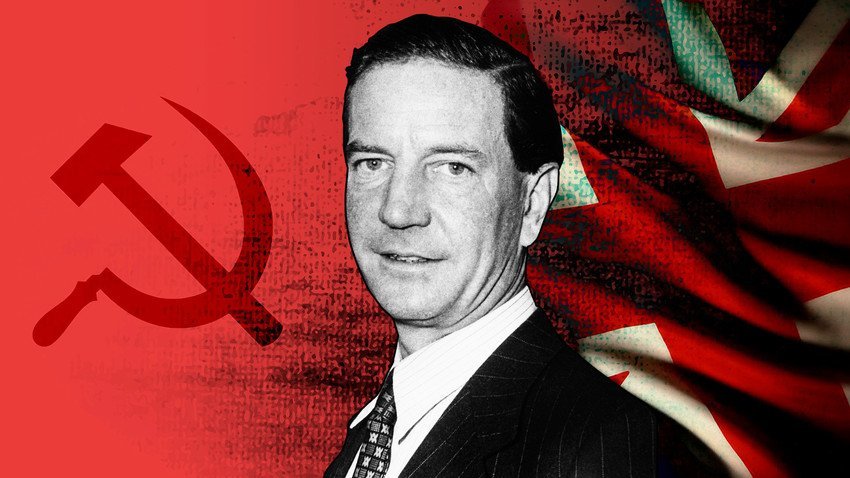
For nearly twenty year, Kim Philby was the premier Soviet spy, rising through the ranks of the British Secret Service, acting as the head of Soviet counterintelligence for the British (he was charged to chase himself), and worked closely with both the CIA and the FBI (under Hoover).  This book starts out with an excellent introduction by Phillip Knightley who studied Philby for thirty years, and an exciting foreword by Graham Greene who not only knew Philby, but even visited him in Moscow after Philby fled the U.K.  From there however, the book fails to meet the promise.

Philby, in his position, was able to pass literally mountains of secrets to the Soviets and was responsible for the deaths of hundreds of anti-Soviet agents across Europe.  He was a true believer; he did not betray his country for money, but he did believe in the goal of Communism.  Even though he knew the true scope of Stalin’s crimes against his own people, he kept the faith based on a belief (as modern-day apologists proclaim) that it was not the “system”, but it was rather the wrong person at the top.  Yet he like today’s apologists never face the question of what kind of system is it that allows a murderer like Stalin to take control and exist for so long.

Continue reading
Share:
Reading time: 2 min
Book Reviews

Stalin: The Court of the Red Tsar by Simon Sebag Montefiore

February 23, 2022 by Barry J. Klazura No Comments

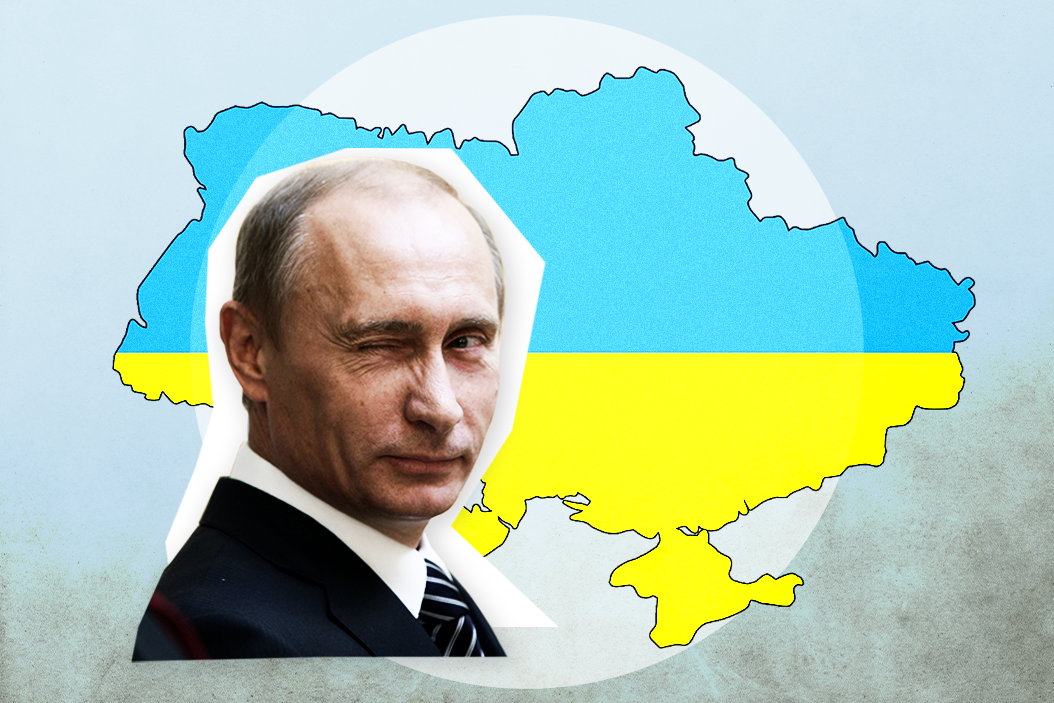
Given the situation in the Ukraine, I thought a brief reminder of the system that shaped Putin might be timely. Putin wishes to reconstitute the Soviet Union and those who would appease him and not treat him like the outlaw he is, need to be reminded of his system and those he admires.

I have no doubt that the title for the most biographies written about any politician would belong to Winston Churchill, but his life compared to Stalin’s was an open book.  For Stalin, the ideal time to write a biography with new information is past as his contemporizes die off and the archives are once again closed.  Montefiore was the right biographer at the right time at the right place.  He has written a biography that is well paced, filled with colorful antidotes and supported by excellent research. Considering his topic, the greatest mass murderer until Mao, this book brings home the ruthlessness of Stalin without exhausting the reader by an impression of overwhelming despair.

Continue reading
Share:
Reading time: 2 min
Page 3 of 6« First...«2345»...Last »

Barry J. Klazura

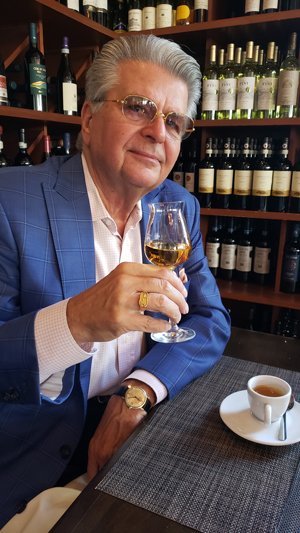
Barry Klazura sipping grappa

With a Masters Degree in Guerrilla Warfare and Totalitarianism, Mr. Klazura was well prepped for a career in Sales and General Management, consulting on corporate startups and turnarounds as well as lecturing on history and politics.  For the past twenty years he has focused on being a financial advisor and consulting.

Delivered To Your Inbox

Sign up to get an email when a new article is published.

Topics

  • American Civil War
  • Biography
  • Book Reviews
  • Cigar Reviews
  • Coronavirus
  • Current Affairs
  • Education
  • Environment
  • Factoids
  • Government
  • Lifestyle, Cigars & More
  • Liquid Refreshments
  • Musings
  • Quips and Historical Facts
  • Society
  • Travel
  • Uncategorized
  • World War I

Subjects

book Books-Russia/Soviet Union Books 21st Century Books 1919-2000 Books Ancient to 1900 Books Asia Books Biography Books Fiction Books Germany 1919-1945 Books Pre-WWI books Viet Nam books world war I Books WW1 Books WWI Books WWII Cigar Friendly Location Amsterdam Cigar Friendly Locations-London Cigar Friendly Locations-New Orleans Cigar Friendly Locations-New York Civil War Coronavirus Environment Korean War World War I World War One

Recent Articles

At Stalin’s Side by Valentin Berezhkov

July 15, 2026
The Price of Victory by N.A.M. Rodger

The Price of Victory by N.A.M. Rodger

June 26, 2026
Frontsoldaten: The German Soldier in World War II by Stephen G. Fritz

Frontsoldaten: The German Soldier in World War II by Stephen G. Fritz

June 5, 2026
Organizer of Victory, 1943-1945, George C. Marshall by Forrest C. Pogue

Organizer of Victory, 1943-1945, George C. Marshall by Forrest C. Pogue

May 26, 2026
Illegals Released & Our Leaders

Illegals Released & Our Leaders

May 10, 2026

Inquiries and Comments

For general inquiries and comments, email AOTOHcomments@gmail.com.

Facebook
© 2020 And On The Other Hand. All rights reserved.