

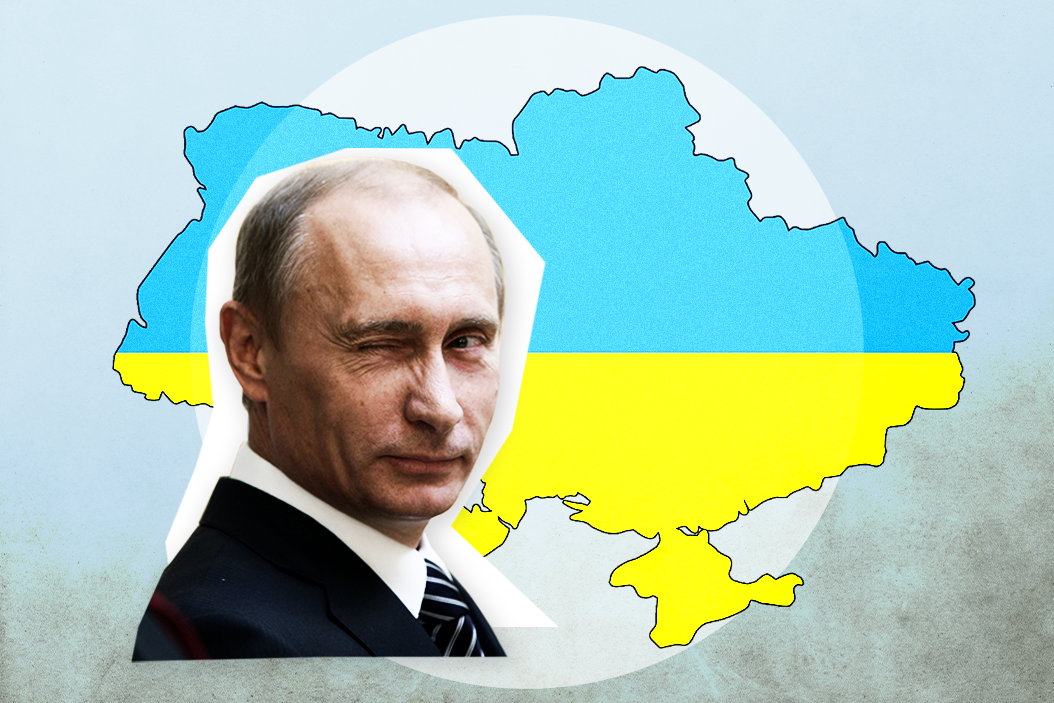
Given the war in the Ukraine, I thought this might be a good time to repost this review which I originally posted in December 2019. Although as written it could be a history, it was written before so many events and was ignored by so many “leaders” in the West who were more concerned about their ideology or keeping their power. Why face reality when those who yell the loudest and demand the most of you are among the villians in this book. I guess that is the story of mankind; take the easy way and let someone else clean up the mess.
Mao Tse-tung once said that “political power comes from the barrel of a gun”, but Vladimir Putin could just as easily say that “political power comes from the end of a pipeline”. This excellent book analyses how Putin uses his countries gas companies for both tactical and strategic means to his end; to regain the power, and perhaps the territory which was lost by the collapse of the Soviet Union. How can he do this? By providing the European nations the energy they need at a below market price and by letting them know that he holds the comfort and economies of many nations within the EU in the palm of his hand.
Of course, he could not pursue this course if it were not for the lack of political will on the part of numerous European leaders and their own ideology regarding energy in the 21st century. By pursuing “green energy”, being intimidated by the “green” movement (which is often subsidized by Russia to serve its own ends) and by insuring that the social safety net is kept in place. European leaders have mortgaged their energy futures to a nation which uses its energy reserves almost regardless of short term financial considerations all in the pursuit of increased European dependence on Russian energy.
Consider that the EU has reserves of shale oil and natural gas, but refuses to spend the monies to exploit them. They would rather purchase the oil and natural gas from the Russians and the U.S. They don’t want to spend their money on their defenses and are more concerned with maintaining their social programs; in short, they are living at the sufferance of other powers.
The size of the problem is huge, given that four countries depend on Russia for 100% of their natural gas (Estonia, Latvia, Lithuania, Finland), while Slovakia, Bulgaria, and the Czech Republic all depend on the Russians for 88-94%. Even Germany needs Russia for 46% of their natural gas and Italy gets 37% from Russia. These numbers are huge and give Russia great leverage over the Europeans and despite the EU, the individual nations can and do make separate deals to maintain their supplies during the winters. Russia on the other hand can apply huge pressure on individual nations by selectively cutting supplies. For example, if Russia cuts off supplies to any of the Baltic countries, it only represents just over 1% of Russia’s exports which they can use to boost supplies to “favorable” nations.
While John Kerry lectured the Russians for operating in a “19th century fashion” and then President Obama said that Russia was a “regional power”, Putin knew exactly what his policy was and how it be used to leverage his power over Western Europe. As far back as his PhD thesis he had laid out his beliefs of how to use Russian energy to achieve political ends over Europe.
This book is detailed but readable and is suggested reading at NATO. The author is an acknowledged expert in the field, a combat veteran and has successfully advised senior military, business and government leaders on a myriad of national security issues.
I would suggest this book for anyone who wishes to understand how a dangerous strategic policy can be created and seemingly ignored by national leaders who are more concerned with short sound bites and feel good programs as opposed to addressing very real dangers.
P.S. I was honored to have several conversations with the author and found him to be thoughtful and able to offer constructive solutions to these and other issues.




Leave a Comment