
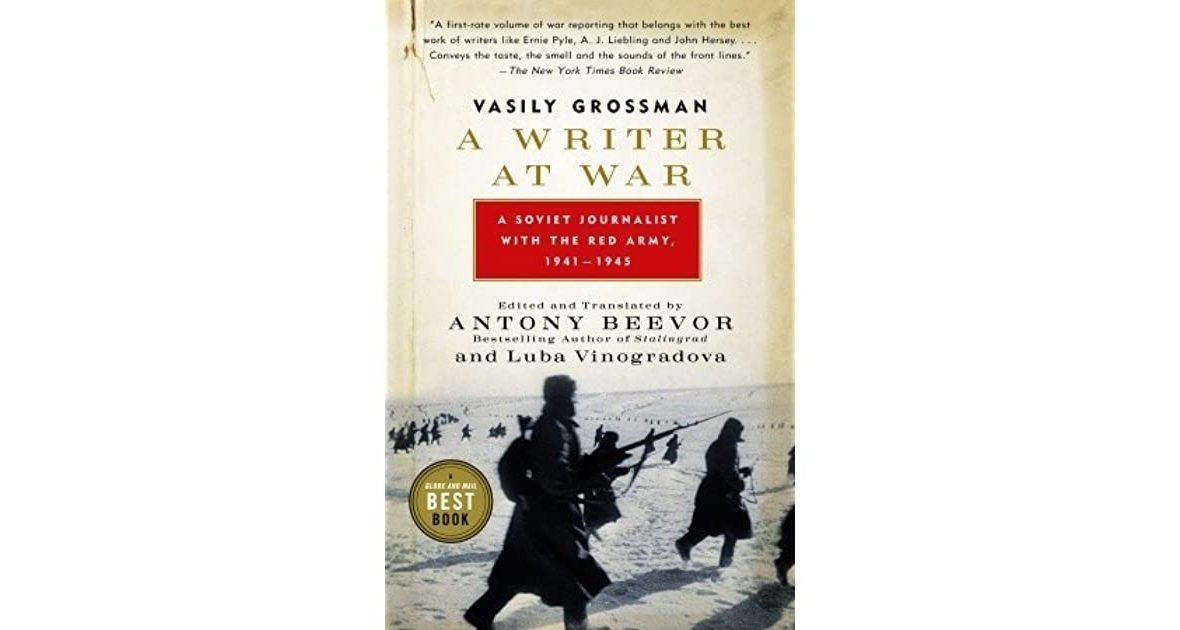


Grossman is best remembered for his novel, Life and Fate which has been described as the greatest Russian novel since War and Peace. When originally shown to the Soviet censors, they agreed that it was a great novel but that it could not be published for at least two hundred years; its descriptions of the men and women fighting in the Great Patriotic War were too real and did not pay any homage to Stalin.
Finland managed to fight two wars with the Soviet Union during the 20th century; once it was attacked, and in the second, it was the attacker, an ally of Nazi Germany. There was never any doubt that Finland could win either war; the best Finland could do was to ride on the coattails of a Germany victory. In fact, the Finnish offensive action during the second war was limited and basically was aimed at regaining the territory lost during the first war.
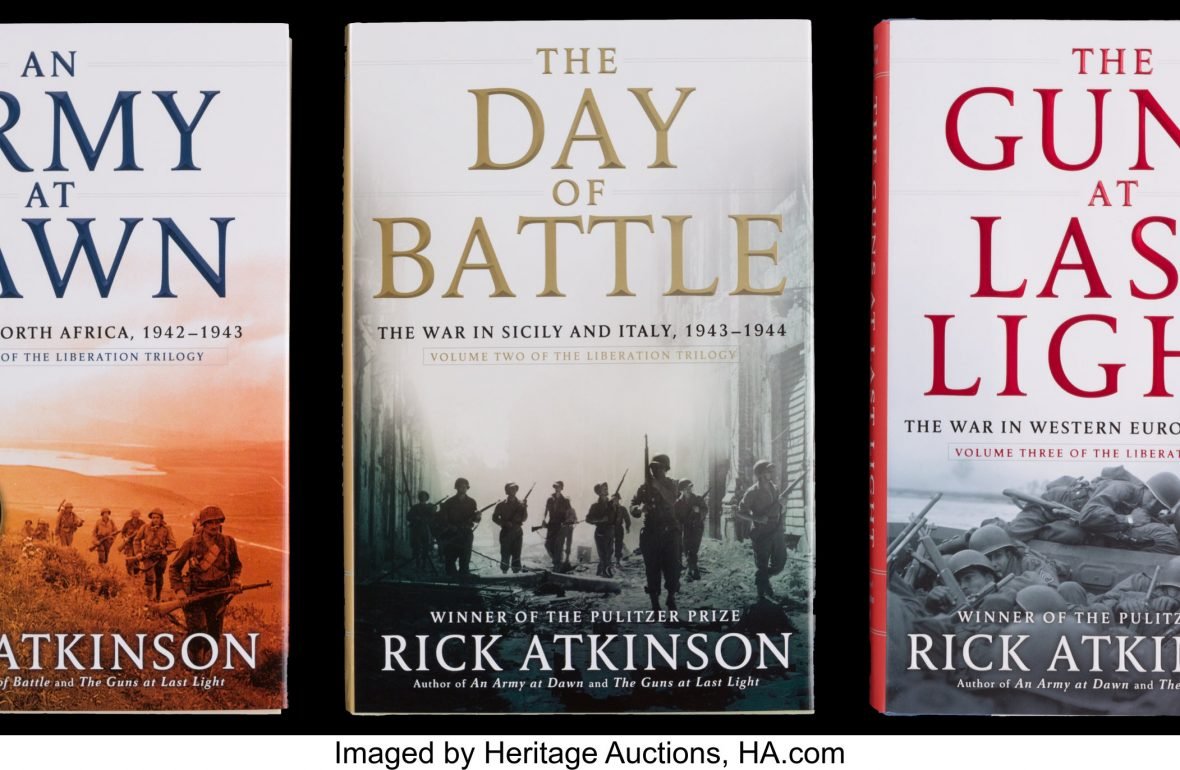
This massive (about 2,000 words) trilogy (An Army at Dawn, The Day of Battle and The Guns at Last Light) detailing the U.S. led coalition which fought in North Africa, Italy, and Western Europe to help defeat Hitler. It offers not only a strategic view of the war, but many interesting human stories of the men who both led and did the actual fighting. They certainly are not all saints; all the human emotions are evident in the telling, including arrogance, lust for glory, stupidity, cruelty, humanity, and anger. Despite the length of each book (and their weight), they are easy to read and difficult to put down, even for a reader with knowledge of the subject.
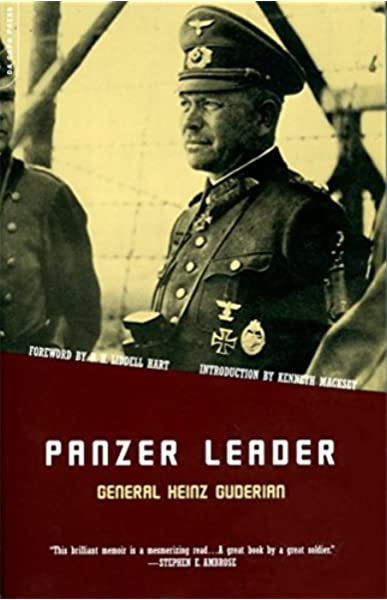
Considered by many to be the founding father of the Panzer concept in pre-war Germany, Guderian was forceful, stubborn, opinionated and driven; all the virtues that would put him at odds with most traditional militaries around the world. Fortunately for him, he caught the eye of Hitler and Guderian’s concepts represented exactly the type of bold thinking that Hitler sought to enable him to carry out his military goals. From that point, it was a love/hate relationship between the two, with Guderian being cast aside, brought back, ignored by Hitler, apologized to by Hitler and finally once again sent into the wilderness.
Histories of war are often told from the viewpoint of grand strategies, major military or political leaders or combat personnel. Seldom do we get a view of the war from the ground level as experienced by non-combatants; we somehow seem to believe that their lives go on with a feel of normality, even in occupied territories. In this book we find how a woman, living in an occupied land managed to not only lead a life, but to defy the occupiers and at great risk to herself, feed prisoners of war while at the same time hurting the occupiers war effort.
For years, Albert Seaton’s “Battle for Moscow” has been the gold standard for reviews of that famous and brutal battle. This work is a welcome addition to any library on the subject as it is lighter and raises several points which are worth examining. Michael Jones uses eyewitness accounts of actions to bring a personal touch which was missing from Seaton’s and thus the reader is drawn not so much by the technical aspect of the battle as by the personal.
This was the first Glasnost biography to come out of the then Soviet Union using many new resources and archives. The author, the son of an agrarian specialist who was purged in 1937, went on, despite his questionable background, to become a Colonel General of the Soviet Army. Dedicated to his profession, he was shocked by the 1956 denunciation of Stalin by Khrushchev and began to gather material for this book at this time. In addition to early access to archives, the author also was able to speak to many individuals who were associated with Stalin; although Stalin did not have any close relationships after the suicide of his second wife, these individuals were able to provide tidbits of information about Stalin’s habits, techniques, etc.
Originally written in 1947, this was the first comprehensive account to the trial of the major Nazi leaders after World War II. The desire to create some type of trial (there was no international precedent) in a speedy manner (the beginning of the Cold War and the normal desire of the average citizen to get on with life) were two of the major challenges facing the judges and attorneys who had their own motives and goals. Although the Nazi regime kept efficient records, the sheer volume of those records and the seemingly complex relationships between departments and organizations made errors unavoidable. No one even within the Nazi regime could always explain the power differentials between the State and Party organizations, for example, responsible for the administration of any given area (the SD was a party organization while the Reich Foreign Ministry was a State organ but they each had administrative duties in some of the occupied territories). Add in the duties of the Wehrmacht, the SS, the Todt labor organization, etc., and the judge’s confusion is understandable.
While historians believe that after the victory at Midway Island the course of the war in the Pacific was set, this excellent history of the naval battels around Guadalcanal shows that had the U.S. navy not prevailed, the marines on the island would have been defeated, displayed in captivity and a serious setback handed to the overall strategy. That the U.S. naval forces were not defeated was not due to the brilliance of the naval leadership, but rather due to luck, a technological advantage that was nearly thrown away, sheer luck and the misunderstanding of the Japanese military which was focused on tactics instead of logistics.

With a Masters Degree in Guerrilla Warfare and Totalitarianism, Mr. Klazura was well prepped for a career in Sales and General Management, consulting on corporate startups and turnarounds as well as lecturing on history and politics. For the past twenty years he has focused on being a financial advisor and consulting.

For general inquiries and comments, email AOTOHcomments@gmail.com.