

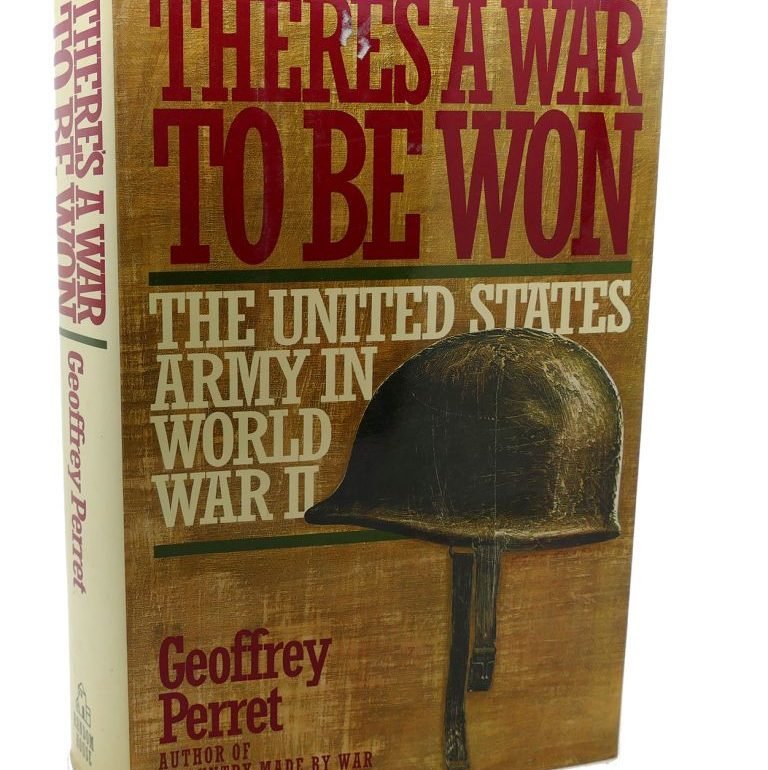
How was it that prior to WWII, the U.S. army which was rated 19th in the world in size (behind Portugal) was able to overcome the battle tested and proven armies of Nazi Germany and Imperial Japan? Was it strictly due to material (logistical and engineering) superiority? Was it because the average American was a better killer than the experienced Germans and Japanese? Or was it in large part due to a dedicated, under paid and scorned group of military professionals during the 1930’s kept to their trade and formed the backbone of the greatly expanded U.S. Army? Men like Marshall, MacArthur, Eisenhower, Ridgway, Bradley and Patton studied and prepared for a war they believed would be coming when the isolationist in Congress and the nation held sway over their minute budgets. Not all those men were brilliant as this book points out; MacArthur made serious errors in the Philippines at the start of the war, Patton’s famous drive took place against a retreating and decimated German area, almost in a vacuum, Bradley was not the kindly G.I. officer but an egotistical and vengeful general, etc. Despite their faults however, they were successfully harnessed, managed and intelligent enough to know how to get the most out of the typical G.I.
Perret investigates each theater of operations, from Western Europe, the Mediterranean, Alaska, the jungles of S.E. Asia and the Pacific islands to show how the superior firepower, logistics but most importantly, professionalism of these officers and many others, overcame early errors of tactics and how their learned from their mistakes. At the top of this vast machine, managing the efforts of 8,000,000 men and women, was Marshall, a seemingly cold, strict manager who acted as a CEO of great corporation. His ability to accurately read the skills of key officers was amazing and he gave them the support and freedom which allowed them to develop their individual military skills. His subordinates could be noisy and at time make errors, yet Marshall realized that he must trust his hand-picked cadre of Generals as they faced their own individual challenges.
This is the third time I have read this book and each time I pick up new information, some of which still teach valuable life lessons. If you know of anyone who is in business, or who is studying to be in business, this book will teach them more than they could learn from many academics who have never had bottom line responsibility. The book is well written, fast paced and valuable.





Leave a Comment