

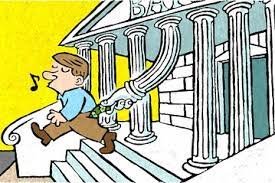
Mark Carney has worked hard to get the major banks of the world to support the Green Movement. A former head of central banks in Canada and the U.K. has been knocking on bankers’ doors, trying to raise some of the trillions needed to cut carbon emissions and transform the way we produce and use energy. He is not asking bankers to pledge their personal wealth to his cause, but to pledge the assets of their banks.
His pitch to the financial community is aimed at getting them to part with some of the estimated one-hundred fifty trillion dollars ($150,000,000,000,000) over the next thirty years as the entire global power infrastructure must be revamped. To achieve this, he follows the fourteen-page protocol created by the U.N. which outlines how companies are to be rewarded or punished through lending, regulations, etc. if they adhere to or resist the dictates of the protocol. There has been resistance from the banks as concerns over law suits due to failure to fulfill pledges or meeting targets.
For several years, he has pursued his path and it is only recently, due to governmental and activists’ shareholders actions that thirty-four of the world’s top fifty banks have signed up to the cause (five large Canadian banks and U.S. banks). The world’s largest carbon emitter, China, has not had a single bank sign up, nor have most banks from Japan and Australia.
While, if you agree with this vision, he is following a noble path, one question that should be asked is “who will pay the cost’? The answer is certainly not the banks; they have a fiduciary responsibility to their shareholders. Can anyone image an annual meeting where the board of a bank states that they lost money, but it was because they helped seed the change to zero carbon; that the shareholders were going to forgo their dividends in the name of green energy? That would not be a pretty sight. No, the bill will be paid by the customers of the bank in the form of higher interest charges (which are a net drain, not a gain), as well as higher fees, charges, etc. In other words, you. You will wonder why the interest on that car loan or house mortgage is high and eating into your disposable income. You will wonder why you must wait longer on the phone for customer service as the bank fires those workers (and those fired workers will consume more of your tax dollars as they are paid unemployment).
It is easy to be noble, to buy into a starry vision when you are not using your own assets, and you can simply pass along the bill to those who stand at your door, hat in hand. Because they want and need that house or car or want their child to go to a better university, they will pay the higher charges and at the same time, see the heads of the banks crow how they have acted nobility and as good member of the community in providing millions or billions of their money for the greater good. How noble!





Leave a Comment