

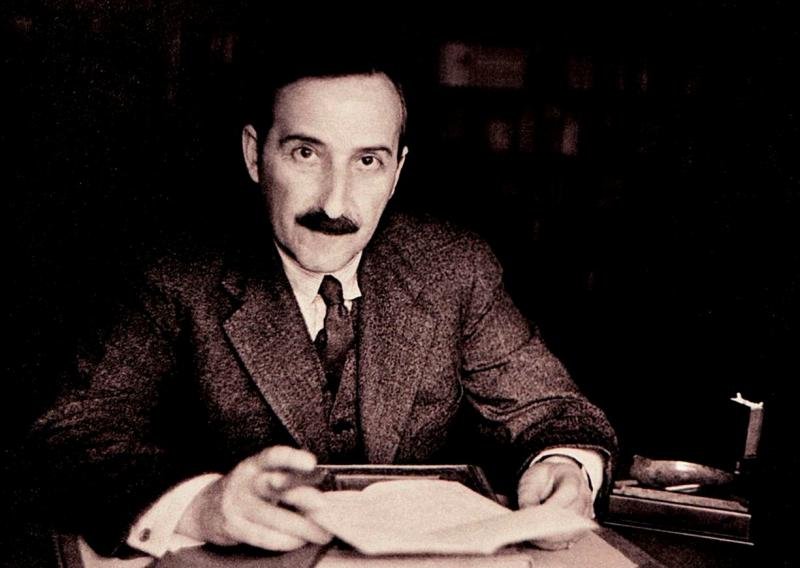
In the period from just before the First World War until the early 1940s, Stefan Zweig, an Austrian born in the Hapsburg Empire, was one of Europe’s leading authors. His books cover biographies, poems set to music, novels, hundreds of articles, reviews, and more. Yet, in 1942 he and his wife committed suicide in South America over their distress of the state of the world and their view of the future.
Zweig believed that each generation would experience one trying movement, be it war, plague, inflation, or social disruption. But he believed that his generation which was raised in the structured, secure world of the late Hapsburg Empire was doomed to experience each of those trials, one after another which put it to a test seldom seen in history. That does not mean that he viewed all change as negative, for he saw the emancipation of women from their corsets and their entry into politics as positive; so too was the easy mingling of the sexes in sports, social events without chaperones, and the greater freedom of people to choose the direction of their lives. Yet he did not see or connect that that same freedom blended with youthful idealism and ignorance of the world could lead to dangerous movements such as Communism, Fascism and Nazism.
Zweig led a good life despite the times in which he lived. His writings earned him a comfortable income while during the First World War he lived at ease in Switzerland along with fellow artists and intellectuals such as Hesse, Rolland and others who felt superior to those being butchered in the trenches. Their intellectual detachment ended as soon as the war ended, and Zweig crossed the border into his native Austria. The poor condition of the trains where even the leather straps had been cut off, so people could resole their shoes, the lack of lightbulbs, starving children and threadbare officials suddenly made him realize the depth of what he had missed during the war.
Zweig was an acute observer of his time; apolitical, he observed the effects of inflation and poor government on the minds of the masses and was intelligent enough to leave Austria while he could, after only one visit from the new regime. Moving to London, he was a man adrift and while he admired the peace and stability of the British system, he missed his friends and confidents, many of whom were arrested and placed in concentration camps.
This is an interesting book for anyone interested in an unobstructed view of the changes in Europe during this time. There are no grand panoramas, instead it offers a ground level view of an interesting and stressful time in history for millions of Europeans.




Leave a Comment