

Many years ago, just out of University my parents and I travelled to Spain. We took a side trip to Morocco and joined a group which was sheparded around by a local Muslim guide, complete with robe and soft slippers that curled upward at the toes. As we progressed, the guide pointed out mosques, libraries, beautiful plazas, etc. always noting that when they were built during the tenth or eleventh century, Europe was in a Dark Age. After several such episodes, my father, always the diplomat raised his hand and asked the guide if the Muslims had done anything in the last thousand years. There was much laughter and the guide stopped making references to Europe’s Dark Age.
My story about my father’s comment strikes at the very heart of the problem around Islam today; massive hurt feelings that a once proud and conquering force is today among the most backward in the world. Many Muslims in the Middle East resent the failures of their leaders and governments since Islam was turned back in 1683 at the gates of Vienna. A society which, when the first printing press was introduced into Ottoman territories in 1450 banned it as a tool of the devil, simply failed to move with the world as created by the Europeans. Piece by piece, the Islamic world was picked apart and subjugated by the West and the feeling of anger and frustration grew until it was believed by even some of the educated that radicalism and terrorism was the only answer. Instead of looking forward, the radicals looked backwards trying to lead the Muslim world bravely backward into the 8th century.
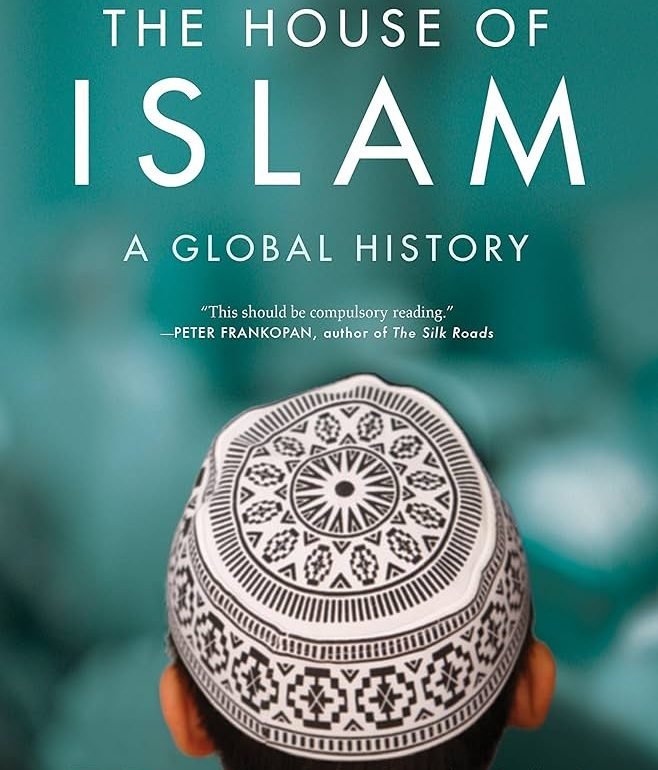
Ed Husain, a former radical Islamist who has rejected extremism and is now a noted fellow at several excellent Western think tanks. He has an excellent understanding not only of Islamic history, but also a solid foundation in the beliefs of the various factions that exist within Islam today. He carefully outlines the Sunni-Shi’a schism, what is Sharia, who is a Sufi, the foundations of Wahhabism as well as in depth discussions on the various views on women, sex, education, Jews, etc. Overall, you can feel him objective about the factions within Islam and this book is an excellent primer on Islam.
As a former radical, he knows and understands the rationale of the radicals in their view of where Islam has gone wrong and what they believe justifies their actions. His discussion on the difference between the Quran and supposed comments and guidelines from Mohammed is very interesting. As Muslims believe that the Quran is sacred as created by Mohammed, they are a perfect way to live life. The supposed saying and guidelines from Mohammed are open to interpretation; were they in fact made by Mohammed or by others many years after his life. Are these saying supported by the Quran or in violation of the Quran? According to Husain, such injunctions as the veiling of women, not allowing women to be highly educated, and the rules by the likes of ISIS come from these supposed comments and have no basis in the Quran. Due however, to the low level of education of many Imams, arguments against the likes of ISIS are weak or not capable of convincing Muslims to move away from such practices.
The author loves Islam, but he also has a rather distorted history of Islam. According to his view, the warriors of Islam spared women and children as they swept across the land, but if they did, it was only to save them for the slave market. Or, he mentions that the natives of India converted to Islam because they loved Islamic poetry and not because literally tens of millions were slaughtered by various Islamic rulers. Yet, aside from these examples of glossing over of history (there are others), the book remains an excellent one that Westerners would do well to read. Unlike other books on Islam, he does offer concrete suggestions on what can be done to reverse the trend towards radicalism and to move Islam forward in the real world. He pushes hard for the Islamic world to accept Israel and to see what can be done with education, unity and hard work. Would the Islamic world be willing to learn from Israel? Can the Arab countries put aside their tribalism and move against (especially in Saudi Arabia) against Wahhabism? Would the West be willing to create a Marshall Plan for the Islamic world in conjunction with the oil rich Arab world who would contribute to the development of lands outside of their own? If not, then the path away from radicalism will be longer and harder than necessary.





Leave a Comment