

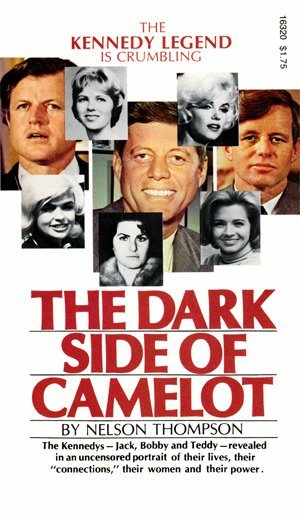
Legends die hard and when this book originally came out, there still existed a legend of the golden time when John F Kennedy was President; youthful, good looking with a glamorous wife, he represented to many a time of idealism and vigor before the Viet Nam war. Those who were with him in the White House during those famous “thousand days” wished to make sure that his image, and thus theirs was preserved for they had been called “the best and the brightest”. They all worked hard but had a hardy manly mystique and wherever they went, people could feel their energy and purpose. But was the reality close to the legend?
In reading, some of the reviews of this book when it was published, the criticisms were scathing; not enough identified sources, unpublished sources were accessed and thus could not be checked or simply that Hersh was depending upon rumors and spoke to those who were disgruntled. Yet as time went on, other books about the rest of the Kennedy clan began to make a dent in the image which was so carefully paid for and constructed. Teddy Kennedy’s restless driving and drug orgies, documentaries which showed Joe Kennedy to be if not pro-Nazi, at least anti-British and an appeaser and other stories from those who had been in the administration began to tarnish that time. And, perhaps, with the resignation of Nixon, the incompetence of Carter and the sexual escapades of Clinton, people finally came to believe that Presidents are mere mortals after all.
At the time however, was the nation ready to know that:
* Their leader had first caught a venereal disease in his early years and had constantly been re-infected as he partied at the White House pool in the nude with prostitutes brought in with no security clearance?
* His own guard detail was instructed to not check even the purses of the legions of woman brought to him by local politicians whenever he travelled?
* To curb his being tired, he would resort to booster shots of amphetamines every six hours or so and then he would go back to the pool (not alone)
* That one of his paramours delivered bags of cash to the head of the Chicago crime syndicate (fortunately when questioned she was asked if the hoodlum had delivered money to Kennedy but not the reverse)
Then there were the political escapades, such as:
- Asking loyal Democrats to raise many tens of thousands of dollars secretly and with no acknowledgement from the President, so that he could pay off a woman who was suspected of being a spy
- When he personally awarded a billion-dollar contract to a company for a plane that neither Congress nor the military wanted after it was found out that his girlfriend’s apartment had been bugged by private security agents of the company
- How the Chicago mob was requested to kill Castro in an unofficial, off the books directive by the President
- How, when the leader of South Viet Nam was going to request that US troops go home, the President approved the coup against him as it would negatively impact his re-election
The list could go on and on, but criticism at the time focused on the sections which deal with Kennedy’s obsession with Castro and his attempts to get rid of him. Perhaps the criticism was levelled here because if the reviewers had focused on the points above (and there are many more), the Camelot image would have totally shattered instead of letting it just die out a more graceful death as it has today.
The overwhelming feeling, I got from reading this book, was disgust; disgust with a man who was born to the purple, who treated people like servants, woman as objects and who, fortunately for him, was protected by those around him, including the press in a fawning manner that is unthinkable today. Perhaps he believed his own press, perhaps it was because he could deal with murderers and Hollywood celebrities on his own terms, but somehow John F. Kennedy seemed to lack a moral compass. Did he have a bottom line other than what was necessary to protect himself? Did he believe his soaring rhetoric? One finds it hard to believe after reading this book.




Considering what his old man was like this should come as no surprise to anyone.