

One of the joys of visiting New Orleans is the ability to wander in wonderful book stores; not the chain stores that are in malls, but in quirky little hide shops where you have to walk sideways through stacks and columns of books that can tower above you. There you find treasures that have been passed down from reader to reader, sometimes with their names on the inside cover, sometimes with a birthday wish or a wish for recovery from some momentary disaster. It was in one such book shop where I ran across a 1935 edition of this book which I had seen mentioned in both fiction and non-fiction historical volumes. The illustrations are pen and ink and the editor takes care to place each section in proper context so that you feel you are getting the essence of the writer’s thoughts and feelings.
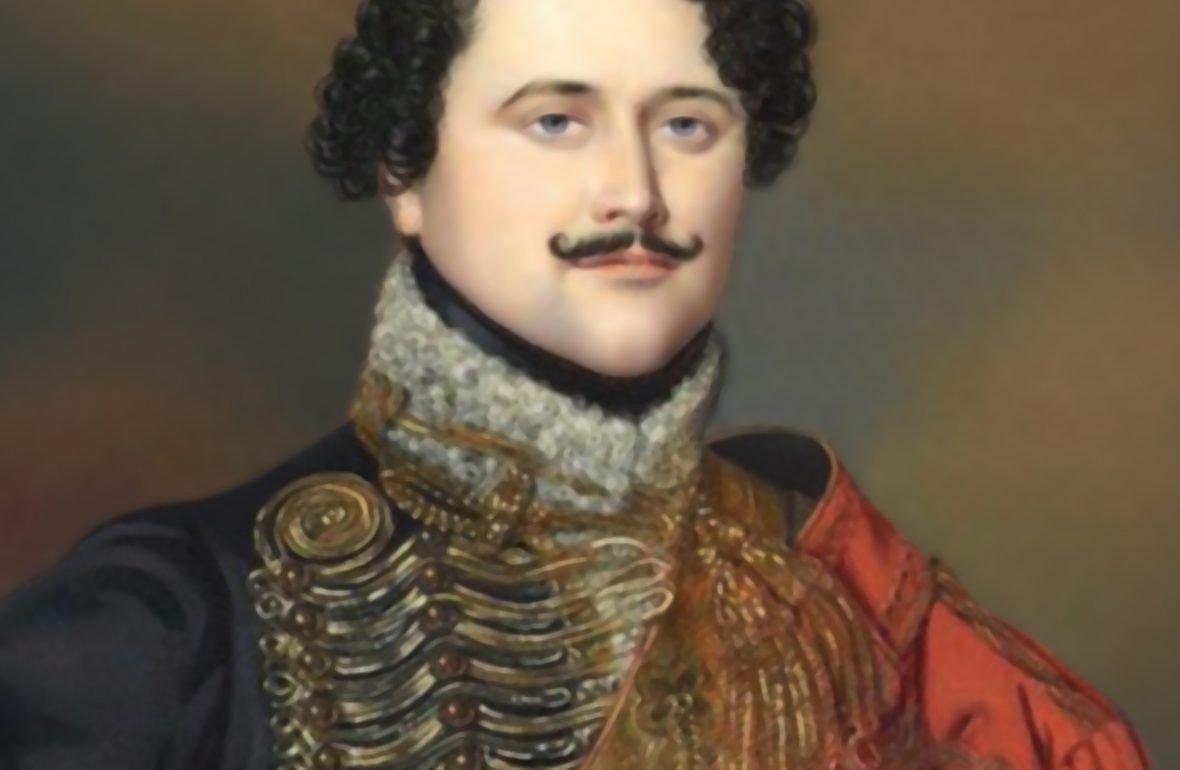
General Marbot was from a minor aristocratic family and entered the service at the age of seventeen as a hussar and under Napoleon, worked and fought his way up to the rank of Colonel. He was only thirty-three at the time of Waterloo and fought in Spain, at Austerlitz (he says with some pride that the painting by Gerard of Austerlitz where General Rapp who is wounded presents to Napoleon the flags just captured by his prisoner, Prince Repnin), in Russia, at Wagram and Leipzig. Although he rushed to join the banners of Napoleon after his return, he does not write of Waterloo. We can only speculate the reason, whether from sadness or anger we shall never know.
He often served as an aide to various generals and is open and frank about the positives and errors of each. It is clear that he believes that none of Napoleon’s generals in Spain were up to the task and that their back-biting and excesses were a great aid to Wellington as Spain was an open sore which bled Napoleon of forces when he needed them most. His descriptions of many battles both large and small are interesting and he admits that he was fortunate several times to escape with his life.
For a serious military historian, this book is a treasure of a find. The author is concise without bravado; he handles his phrases well and it is easy to picture his descriptions in the minds eye. He is a soldier who does his duty but who is humane and generous to his foes. He does not hate or even dislike his military enemies; they are merely opponents who he freely compliments when compliments are due. This is an easy book to read and I recommend it for any student of Napoleon, or for that matter, for anyone seeking to understand the military mind and structure of that time.