

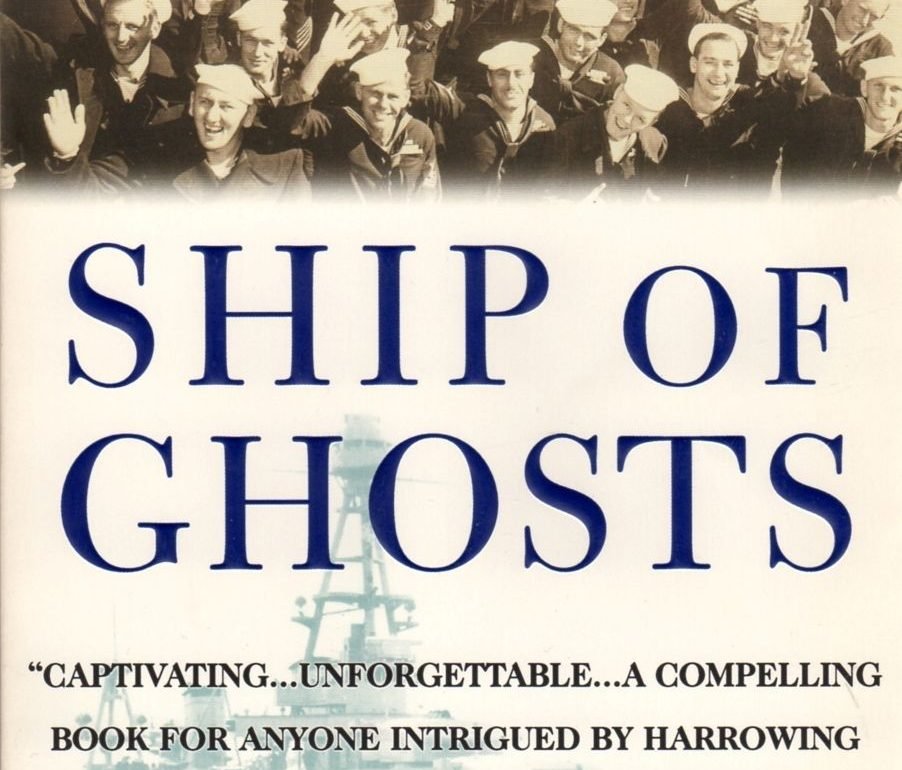
Following up on his excellent book, The Last Stand of the Tin Can Sailors, the author tells the story of the small, outgunned and out fought U.S. Asiatic Fleet and its near suicidal battles during the early days of the Second World War. The Houston, a proud cruiser which was favored by F.D.R., went into battle handicapped by a lack of air cover, poor co-ordination by its British and Dutch allies and a freak bomb hit which eliminated its main firepower by 33%.
In a series of running battles, the Houston was sunk but the ordeal for the crew (only about three hundred out of 1300 survived the sea battle) was just beginning as they became prisoners of the victorious Japanese. Unchecked by Geneva Convention and used to physical punishment by their superiors, the Japanese and then Korean guards were vicious in their treatment of the survivors. Gradually the survivors were shipped to various parts of the conquered territory by the Japanese; the mines of Japan, the jungles of Indochina and worse of all, for construction along the proposed railroad through Burma. The movie, Bridge over the River Kwai paints an idealized, sanitized vision of the reality the men faced. The concept of building a railroad across hundreds of thick jungles where every rail, every tie, every bit of food had to be manhandled while the Allied prisoners were physically abused by the guards. It is estimated that over 100,000 locals who were forced to work on the construction project died from diseases, snakes, beatings, etc. The Americans which suffering terrible losses took basic precautions to fight back against the diseases; each man dipped his cup in boiling water to sterilize it and if a single fly landed on their meager rations, they threw the precious food away and went hungry rather than chance catching one of the diseases.
The book is well written and pays tribute to men who were presumed lost while their valiant stand and fight was lost in the size and scope of the war in the Pacific. By keeping their discipline and working together, they survived, and this book pays their brave but forgotten fight an honor that they never really received.


Leave a Comment