

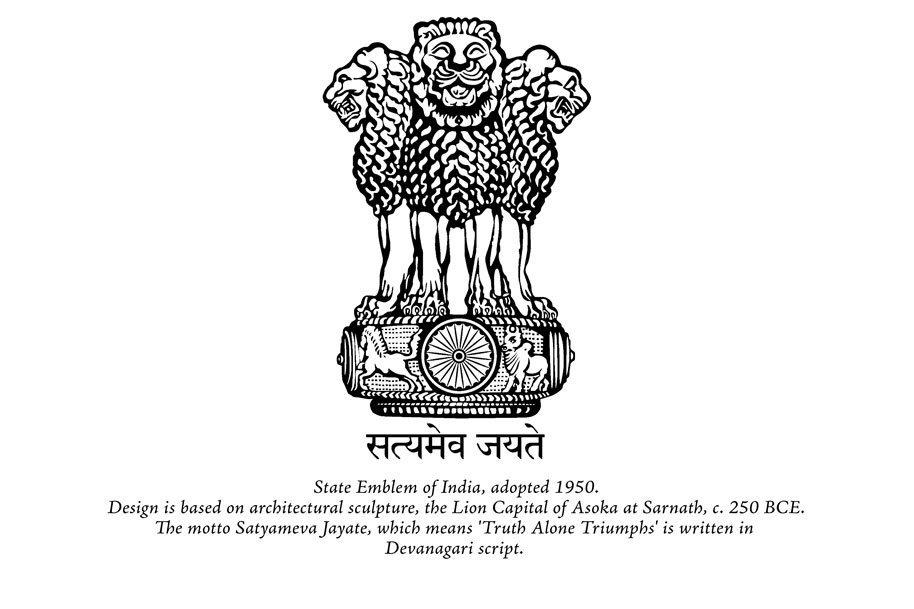
The Constitution of India is the world’s longest. It consists of 145,000 words (the U.S. Constitution has 4,000), has 488 articles, 8 schedules and 22 parts. It guarantees 1,109 castes and 775 aboriginal tribes’ representation by allotting them twenty-five percent of the seats in the national parliament as well as granting them twenty-five percent of the government jobs. It honors the various religions to the extent that Muslims may have multiple wives, but Hindus may not. Complex but at the same time, it is “less intrusive than the American one with its litigation-fueled undermining of meritocracy in the private sector”.
While such numbers are interesting, the recent article by Christopher Caldwell in the Claremont Review of Books takes us behind the numbers and examines the political forces which have propelled India since unification and independence. At independence India was for all practical purposes a one-party state but dynasties rise and fall and the tale of each successive dynasty is laid out in a manner that is easy to understand. Today India is led by Narendra Modi, the son of railroad tea seller. He is a member of a “backward” caste and like Trump, despised by the nations traditional political elite. Called a demagogue, populist or reactionary, he does not care for the rights of gays or women and is charged with fanning the emotions of the majority Hindu populations who can be compared to the white, heterosexual males of the U.S.. Yet for someone who has been in power nine years, his positive rating is about 78%.
This article is a must for anyone seeking to understand the nation of India. Traditionally neutral, India has no problem buying fuel from Putin at a cheap rate. At the same time, India shares a 2,100 mile border with China and a 2,065 mile border with Pakistan, both nuclear powers who see India as a potential and real enemy. Despite these challenges, India is moving in a way that seeks to maintain the best of its culture while picking and choosing from the West.
India can become a major power, but it faces challenges on many fronts. This article will help the reader better understand the forces that are in play in the world’s most populist nation.





Leave a Comment