

During the Second World War, Grossman was an outstanding war correspondent for the Soviet Union and did his part to create the waves of patriotism which helped the Soviet Union defeat Germany. After the war, Grossman became disillusioned with the system; his visits to the death camps in the Occupied Lands and the refusal of the official State organs to portray the millions of Jewish victims as having any special place in the memory of the war, plus the move towards anti-Semitism once the war was won helped to make him created his greatest novels.
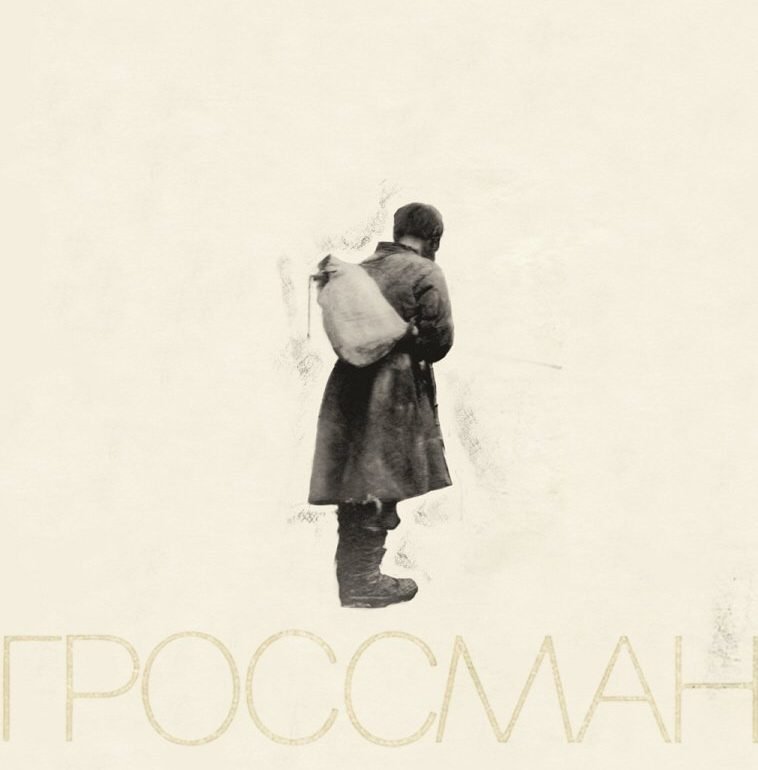
In this novel, Ivan Grigoryevich returns from having been in the Gulag for thirty years. Alone, with old soldiers’ boots, he visits his cousin, attempts to visit a former lover and stumbles from Moscow to Leningrad to find where he can fit into the new world. Most of his relatives are dead or have moved away, and besides, they feel guilty that Ivan lost thirty years of his life while they laughed and sang, ate good foods and raised families. But more than that, he represented something to them that they could not bear; they had caved into the system and his presence reminded them of how they had kowtowed to the powers that be.
One day while walking, he bumps into an old class mate who unknown to Ivan, had denounced him and started him on his way to the camps. His old friend was shocked that he is alive and nervously wonders if Ivan knew that he was his denouncer. Ivan doesn’t, and they mumble polite words and then go on their own ways. Another life, a normal life was denied to Ivan and yet, he has come to accept the lost years, the harsh interrogations, the hard labor as just another part of life. One must go on.
In one section, Grossman has a wonderful discussion of the Russian Soul, proclaimed by Russia’s greatest poets and intellectuals. What Grossman points out is that the Russian Soul is based on over 1,000 years of slavery and that any progress can only be made dragging along that history of slavery. Unlike the West, where progress is made based on a history of freedom, Russian progress can only be made by using the whip and knout.
This is a wonderful book if you can put yourself in the shoes of Ivan Grigoryevich. He is like a space traveler, who has left a world of warmth and comfort, familiar faces and falls to earth decades later that all his friends and relatives have died or erased him from their hearts. The only thing to do is to flow on.






Leave a Comment