

French President Charles de Gaulle once said, “The State is a harsh mistress”. He may have said that thinking about the French members of the long-range recon groups who were left behind to wither and die as France left Viet Nam. Living with the locals, fighting without resupply against the Viet Minh who were relentless in hunting them down, they pleas and curses asking for support finally tapered off as the last were killed in unknown and unremembered hills and valleys.
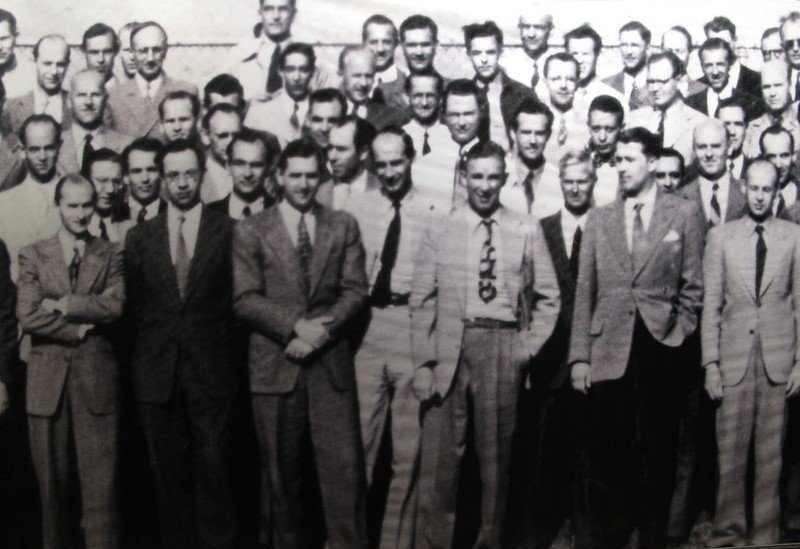
So, it was after the Allied victory of World War II. Former enemies, including known war criminals were suddenly provided shelter, jobs, and safety in many of the victorious nations. The United States, Canada, France, the Soviet Union all began to recruit German scientists as the new lines of the Cold War were being drawn. Much of the recruiting was done secretly in the United States by military officers who were concerned that the new missile technology and secrets of biological warfare could not be left to the Soviets who, aside from plundering a conquered Germany, was abducting every scientist they could find.
In Operation Paperclip, Jacobsen provides a detailed history of the various forces who struggled with the physical and moral choices which had to be faced. There were those who believed that having defeated the Nazi war machine, that enlisting the scientists who worked on missiles, nerve/poison gasses and who had in fact committed war crimes was beyond the pale for the U.S. Others viewed the victorious Soviet Union as the next great enemy, once which had shown that the difference between them and Nazi Germany was at best, minimal. It was a time of moral questioning and a time of future planning.
Infighting between the CIA, the Joint Intelligence Objectives Agency, the Joint Chiefs of Staff, State Department, and the FBI continued for years with the CIA showing its ability to operate outside of normal channels and continue to pursue its own policies. Some of the arguments against the use of German scientist were moral, as is today arguments of using medical results from the doctors at the concentration camps. Some were political as a growing Germany resented their best scientist being employed by other nations. In the end, thanks to the space race, reality won the day as the competition between the U.S. and the Soviet Union became hardened.
This is not only a history, but also a morality play, one which could have been used when ethics classes were not so political. It is well written, and it would be easy to understand how the reader could have a difficult time balancing the morality of the program vs. the fears and beliefs of those years. Indeed, the State is a harsh mistress.






Leave a Comment