

Robert Harris, the author of Fatherland has taken a key event in the history of France and created a novel that is a thriller and educational. Written from the perspective of a key player in the events, the reader is drawn into a world of the “deep state” before the term was used. It serves to remind us that those who have power seldom are ready to relinquish it, especially when they know no other life and possess no other skills that those they have acquired in the acquisition of their power.
After their loss to Germany in the war of 1870, the French nation was torn between a paranoid fear of another German attack (a preventative war) and the French desire for revenge. France, which had always been the predominant military land power on the continent was humiliated; it was other people’s lands which were despoiled and looted, not the sacred soil of France!
To achieve their desire for revenge, which included repossessing the key provinces of Alsace and Lorraine which the French had taken from the Germans centuries before, the French military was lavished with money and prestige. They represented the honor of France and stood for the glory which had to be taken back from the new German empire.
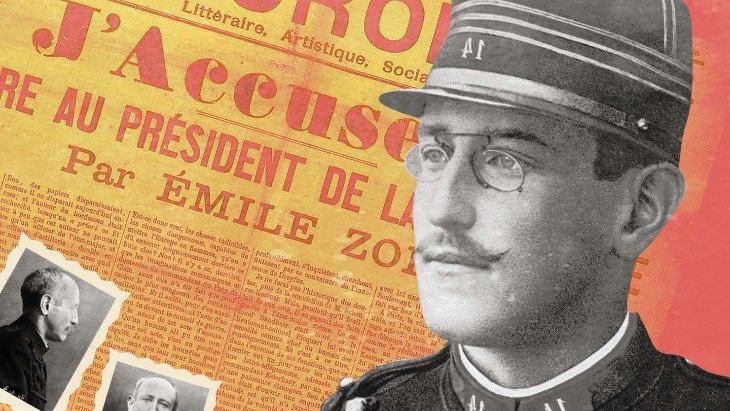
In 1895, a Jewish officer of the General Staff was convicted in a secret military trial of passing secrets to the Germans. Sentenced to life on Devil’s Island, he was isolated from the world; his wardens were not allowed to speak to him, he was chained to his bed at night, his view restricted by high wooden fences, his mail restricted and censored, his was a living hell of a punishment, especially for a man convicted on forged evidence.
The rest of the story is well known, how another French officer by the name of Picquart gradually comes to realize that the prisoner, Alfred Dreyfus is innocent of the charges and that Major Esterhazy was in fact the real traitor. Shocked by the injustice done to Dreyfus, Picquart reports his findings to the army powers that be only to find out that they had known of the injustice but had decided that to save the “honor” of the army, nothing was to be done. In fact, new evidence was “discovered” which further condemned Dreyfus. What follows is an example of a handful of brave men including Picquart who fight against powerful forces within the government who use every tool at their disposal including humiliation, intimidation, and violence to cover up their crime against Dreyfus. What is the importance of one man against the needs of the State?





Leave a Comment