

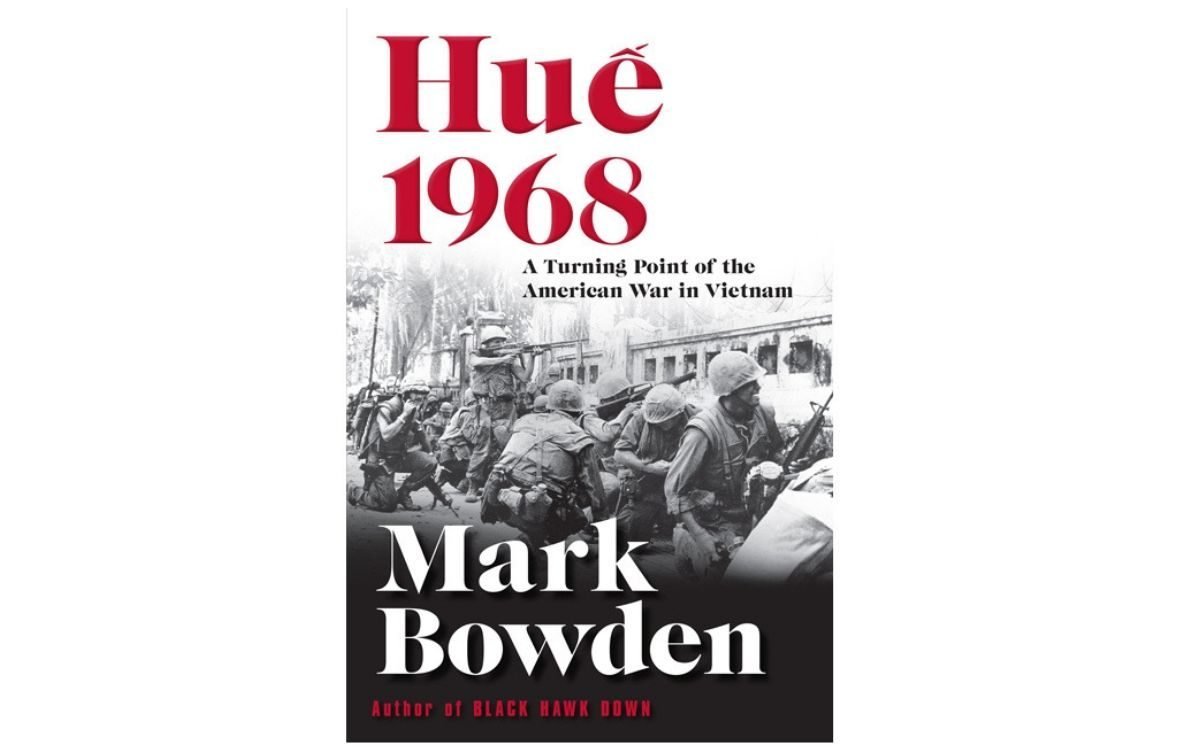
At the end of January 1968, during the first day of the Lunar New Year (Tet), across South Viet Nam, tens of thousands Viet Cong and North Vietnamese regulars attacked administrative centers, military bases and cities in the belief that they would be met joyously by the citizens of the South as liberators.
After the struggles of World War II and the 1st Indo- China war with the defeat of the French, the foreign soldiers (U.S.) would be thrown out and their puppets (the government of the South) would dissolve. At least, that was what the leaders of North Vietnam believed as it was in line with their ideology. Uncle Ho was ill and only a figurehead, while the military victor over the French, General Giap was forced out of any real power. Instead the Party ideologs moved forward with their extensive plans.
On the other side, the wave of attacks surprised the Vietnamese and American troops and leaders. With many of their troops on holiday leave, the South Vietnamese troops were isolated and suffered heavy initial losses, while the greatest problem on the part of the Americans was a general disbelief on the part of the top generals, including General Westmorland that the VC and northern troops could attack with such skill and in such numbers.
Bowden centers his book on many characters, from the North, South and U.S. and how they reacted and acted during the battle for the old imperial city of Viet Nam, Hue. The city was attacked by almost 10,000 troops, a number the U.S. generals could not believe, especially as they had relied on often false and exaggerated “body counts”. Thus, both sides fought each other with basic errors and beliefs. Bowden presents a fairly objective history of the battle which lasted for weeks and which consumed thousands on all sides. Civilians were trapped in the city, officials of the South were executed in pits, some being buried alive, while the soldiers of both sides fought with skill and determination, pushed on by high commands that were either all too willing to sacrifice their men to a failed plan or were unwilling to believe in the odds their troops faced.
Unfortunately, Bowden in his Epilog reveals some prejudices which were well hidden in the rest of the book. Examples include the belief that all U.S. troops hated the Vietnamese, that the South Vietnamese troops were of poor quality, downplays the executions of police and administrative personnel and he seems to underestimate the cost to the VC and the North of the Tet offensive. While it was a psychological success, especially with the U.S. press, it was a military disaster with the VC troops and infrastructure being decimated and in no position to oppose the demands and strength of the Northerners.
A book which gives a more balanced view of the South Vietnamese effort is The Twenty-Five Year Century by former General Lan Quang Thi. Thi provides an excellent overview of the political and military challenges faced by the South.
Still, Hue, 1968 is an excellent book which covers a battle that was misunderstood at the time by all sides. By adding personal stories into the battle, he has created a book that is a fast read, well-crafted and documented.




Leave a Comment