

George Kennan (not to be confused with George F. Kennan, remembered for his famous “Long Telegram”) was a journalist and explorer. He wrote a number of books, including Tent Life in Siberia where he wrote about living with a number of Siberian tribes such as the Koraks, Yakoots, Gakouts and others. It was this experience that opened the door for him to return to Czarist Russia to author a book about the exile system in Siberia.
He initially was positive about the exile system as he felt it was a positive way to bring settlers to Siberia who would be able to repay society for their various crimes. Because he authored several positive articles on that system, he was granted almost unlimited access to the camps and officials despite the skepticism of various Czarist officials.
Daniel Beer’s book, The House of the Dead: Siberian Exile Under the Czars reviewed here on 4/21/2023) wrote of an earlier version of the system and although he did not have firsthand experience, it outlines a terrible blot on the face of Czarism. Kennan’s book goes further as he spent months travelling across Siberia, visiting way stations, camps, and work sites as well as speaking to many Czarist officials himself.
Kennan very quickly changes his mind about the system as he immediately comes across suspicious officials who only put up with him due to his letters of introduction and directives signed by high officials from the capital. He describes the towns and villages of Siberia, mostly small, dirty, and rudimentary with only a thin veil of civilization and little culture. The European Russian inhabitants attempt to build some sort of livable community life, but they are the end of an exceptionally long and thin line, far from the capital and of no significant importance to the national concerns.
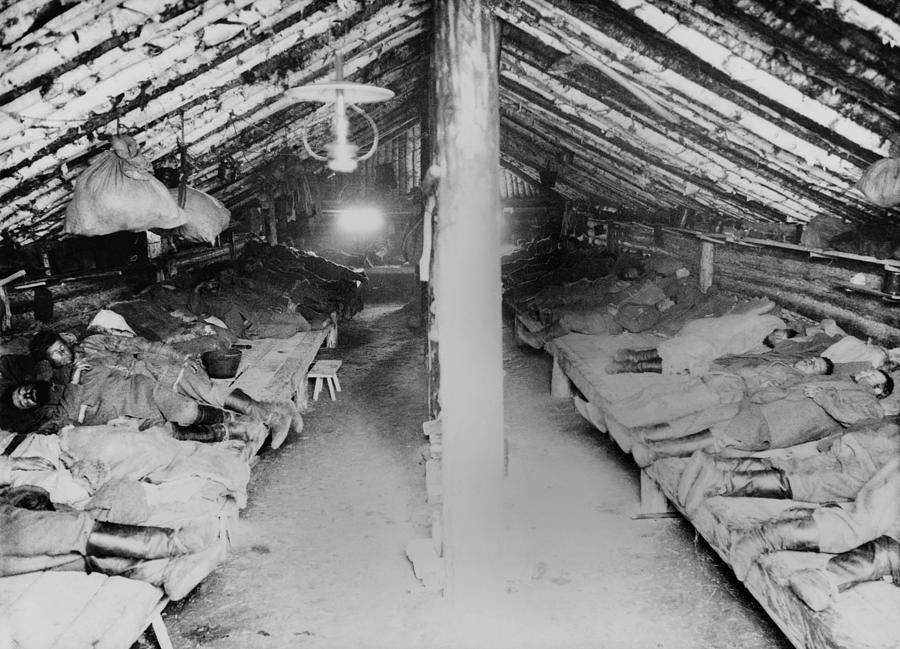
In visiting the actual camps themselves, he does find some dedicated officials (normally having served a shorter time in the system) as the system is simply overwhelmed by the sheer numbers of prisoners. There are more prisoners than camp buildings so the weaker prisoners sleep outside which is not that bad during the milder months as the interiors of the camp buildings are dark, poorly ventilated, and filthy due to the lack of proper sanitation. He writes that at times he is choaking from the stench of the buildings. Some officials show him stacks of letters they sent to their superiors asking for additional funds to construct new facilities, for more manpower to manage the prisoners, all to no avail. Most letters are never even acknowledged.