

Siberia after it was conquered by the Russian Empire, was consider a land of huge wealth, from the priceless furs (a single Ermine pelt was enough to buy a good farm in Russia) to timber and gold, it was also known as the world’s largest prison without a roof. A land where landless free peasants to go to in order to escape the tyranny of the Tsars and to build a new life, it also served as a great dumping ground for all manner of criminals, both political and non-political (one could be sent to Siberia for life long exile for being a vagrant). As the population of Russia grew, and the central government could not provide the services for the population, Siberia became a way for lazy local officials to get rid of those they considered problematic.
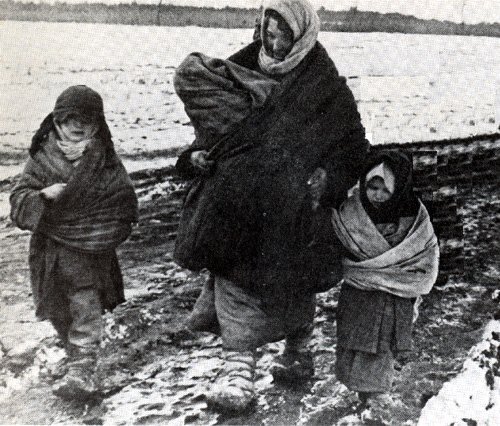
The journey to Siberia until the advent of the Trans-Siberian railway was most on foot. Imagine walking, 6 days out of 7, week in, week out, in the Siberian summer and winter for one to two years just to reach your place of exile. And, your term of punishment did not begin until you completed that journey. During that journey you were, unless supported by your family who could provide you funds, at the mercy and budget of the prison system which provided a minimum of food and clothing both during the trek and at your place of exile. The system was so terrible, that some male prisoners would often write their wives telling them to sell everything and come to Siberia where the government was providing each prisoner with land, a cow, horse, house and funds. In reality, nothing was provided and when the wife arrived with children in hand, their husbands would sell them all into prostitution in order to get enough money to live.
After the term of punishment was completed, as the theory went, the ex-prisoners who had been taught discipline and hard work, would stay in Siberia and begin new farms which would colonize the vast land. In reality, the prisoners had been so brutalized by the guards, other prisoners and hard labor, that they turned to the only things they had really learned in exile; stealing, forgery, murder, etc. The large numbers of former prisoners would often wander in bands, laying siege to individual farms and even smaller villages and towns.