
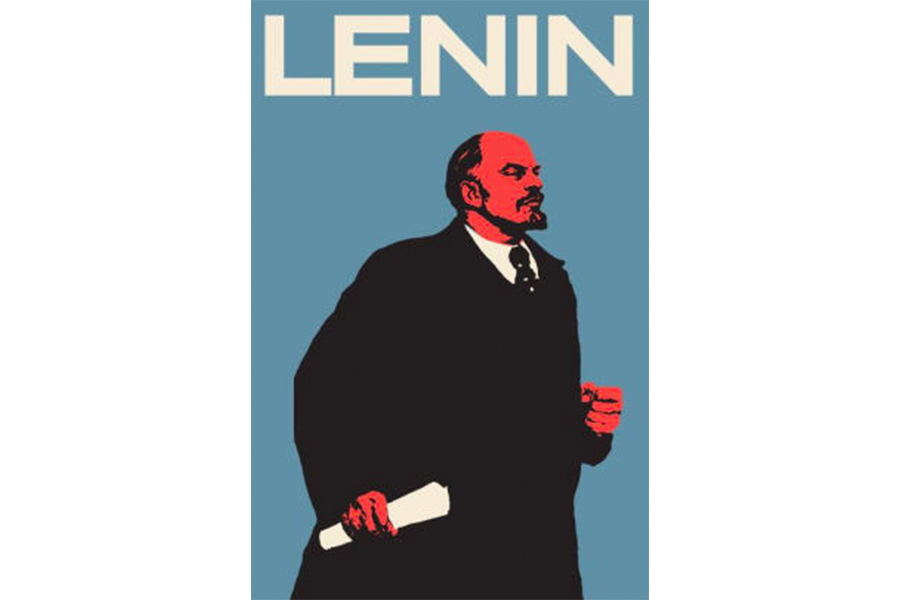
Lenin, the great icon of Communism, was raised and lived the life of a bourgeois. Cared for and pampered by his mother and family, then by his wife Nadya Krupskaya, he could not live on his meager earnings and so continually received money from his mother and from the donations of wealthy liberal capitalists who did not understand his total hatred of them. He lived a life dedicated to revolution, but never raised a fist in anger, never stood on the barricades and was known to flee at the first sign of violence. Yet, when power came to him, he easily ordered the deaths of real and supposed enemies, including those who had opposed him philosophically.
In several reviews, this book was praised for exposing the real Lenin, for breaking the shell which had been carefully crafted creating an image of benign intellectualism detached from the slaughter’s instituted by Stalin. Yet the book, if read without a knowledge of the seizure of power, the Civil War and the creation of the Soviet state would not in and of itself destroy the myth of the peaceable Lenin. There are only a couple of examples of his willingness to shed blood, as when the elevator in the Kremlin was not working for a few days and Lenin demanded that the maintenance man be shot, or more seriously, when there was famine in the countryside. At that time, Lenin was approached with an appeal to ease up on the countryside food seizures, but his response was that it was an ideal time to begin the liquidation of the priests and churches as people’s attention would be diverted. In reality, Lenin was a driving force behind the formation and actions of the Cheka, ‘the sword and shield’ of the Communist Party. Like Stalin after him, Lenis read the list of those executed as well as personally signing the lists of those awaiting execution.
Aside from not exposing the ruthlessness of Lenin, the rest of the book does reflect Lenin’s ability to bring others to his way of thinking and his excellent sense of timing, politically. Although like others, he was surprised by the overthrow of the Tsar (just as decades later everyone was surprised by the collapse of the Soviet Union), he reacted quickly to return to Russia and pick up the direction of the revolution. Although his face was not even recognized in Russia, he was able to direct and corral the energy of the times and the streets to successfully seize power. Then, thanks to his drive and the skills of men like Trotsky, Dzerzhinsky, and others, the first Communist government was able to survive war, famine, civil war and more.
This is an excellent biography of a man who has been immortalized as a brilliant thinker and leader but misunderstood. His self-centeredness, intellect, patience, and ruthlessness are all laid out for examination. For anyone seeking to have a better understanding how such a terrible system could be founded and survive with such a small base of support, read this book.