

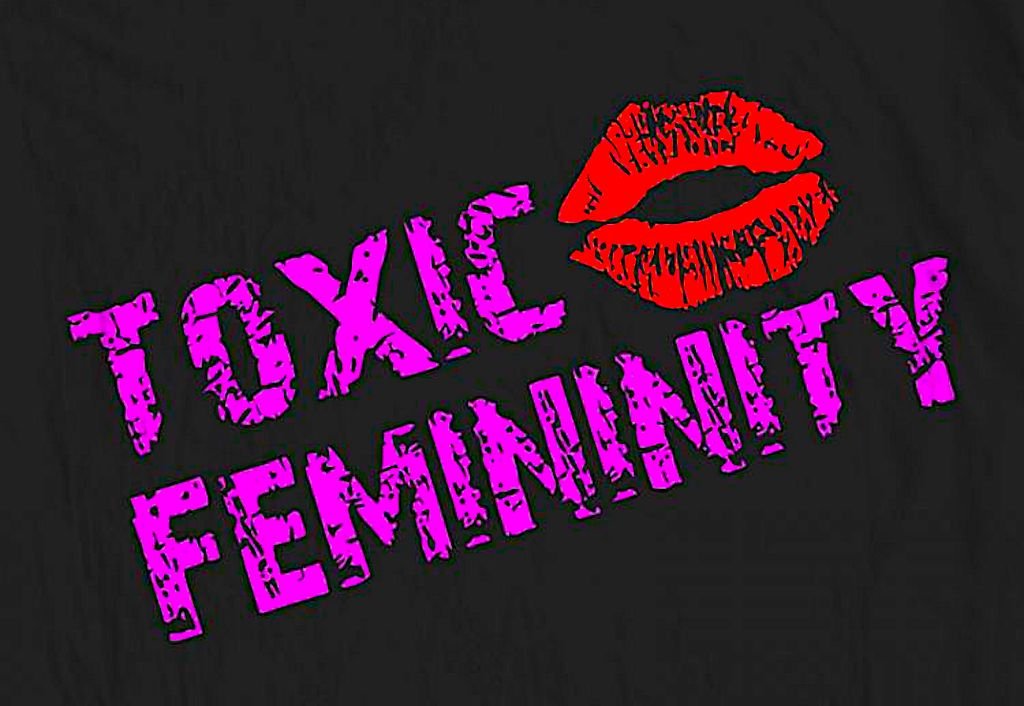
What happens when an “oppressed” minority becomes the ruling majority? Do they learn from their history of “oppression” and shed the traits and habits of that time, or do they institutionalize those very traits and habits in the institutions which they control? If it is the latter, how do we determine that those institutions are improving, providing better service or a finer product?
Over the past half century, women have made major strides in the world of academia. As the linked article points out, they have gone from less than ten percent of doctoral degrees to over fifty percent, while composing over fifty percent of the faculty at postsecondary institutions. No matter where you look, women are becoming the driving force in our education system. Is that a positive or a negative? What do they bring with them and how will their hopes, fears, likes and dislikes shape those institution? According to numerous studies, the results can be serious in the long term. Why? Consider:
- Women believe colleges should protect students from “offensive” ideas at a higher rate than men
- If controversial claims are made by speakers, such as men are better at math, all white people are racists, etc.,” women opposed allowing those speakers to speak at a rate several times higher than men
- Women by a margin of almost forty percent believe that colleges should not invite speakers if students threaten violence
- Women are more willing to support dismissal campaigns than men against colleagues whose research resulted in controversial conclusions
Studies have shown that women are more willing to suppress science for moral reasons as women are more focused on social justice and egalitarian norms. This is censorship and goes directly counter to the very concept of a liberal education. By placing themselves as the arbiters of what is acceptable and what is not, women create a system based on their narcissistic belief that they possess the only correct vision and path for the future.
The concept of safe places, diversity, equity, and inclusion (DEI) committees and Deans as well as DEI Commitment Statements, trigger warnings, etc. brush too closely to censorship and authoritarian group think. It is time that we return to a system that is mores free, more objective and allows an ebb and flow of ideas and discourse.
Toxic masculinity ignores that males overwhelmingly were responsible for the gains in wealth, health, the rise in living standards, progress in science and so much more that has provided women with the opportunities they have today. It is doubtful that a toxic femininity can provide a path to a freer and better world.