


Isn’t it funny that when the true cost of a program is known, it suddenly is not as attractive. For years, the failed “green” programs of Germany have been there for all to see; electricity costs that are 3x the rest of Europe, dependence on fuel from a state run by a dictator, slow growth, etc. but it never dawns on people that replicating some of those very policies in their back yard will cost them without any noticable improvement in their lives; in fact, those failed policies will end up decreasing their standard of living. Follow the link below to an article on how reality is posing a problem for the “green” agenda. Altruistic ideals are fine until they hit you in the pocketbook. https://www.wsj.com/articles/climate-change-summit-cop26-cost-esg-carbon-11626297240?mod=opinion_featst_pos1
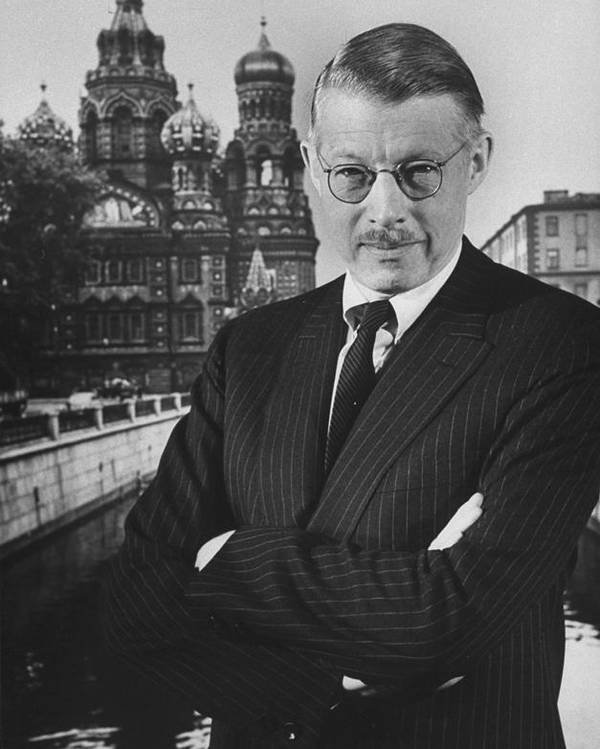
Harrison Salisbury was the first NY Times correspondent stationed in Moscow after World War II and wrote a number of both fiction and non-fiction books about life in the Soviet Union, including a classic on the siege of Leningrad, The 900 Days. Unlike Walter Duranty, the besotted and compromised NY Times reporter who won a Pulitzer Prize for his coverage of the Soviet regime, Salisbury was not compromised by the system and was often criticized by the Soviets.
This novel tells a familiar story; a young Soviet citizen who somehow runs afoul of the Soviet system. He is pulled from front line service against the Germans and run through the hands of the Soviet secret police (including at Lubyanka prison, also known as the gates of hell) and the Gulag system. Along the way, his life is destroyed; his wife (at his request), divorces him so she may continue her schooling (being married to an enemy of the State would hinder her), his best friend after serving his time becomes a supporter of the State, his dreams of a better world are destroyed.
Despite it all, the main character survives and becomes a major dissent against the system. With the publication of his main book outside of the Soviet system, and, given the timing of its publication, he manages to salvage his dignity and resurrect his dreams of a better world.
Is this book a thinly covered version of the life of Solzhenitsyn (written in a clearer manner than Solzhenitsyn would have ever done)? More likely it is a composite character of survivors of the Gulag system who were able to maintain their humanity and hope for the future.
If you are not familiar with novels about the Soviet system, this is an easy read and should give you an idea of the brutality and craziness of a system which promised utopia but neglected to remember human nature.
Barry J. Klazura

With a Masters Degree in Guerrilla Warfare and Totalitarianism, Mr. Klazura was well prepped for a career in Sales and General Management, consulting on corporate startups and turnarounds as well as lecturing on history and politics. For the past twenty years he has focused on being a financial advisor and consulting.

Delivered To Your Inbox
Topics
Subjects
Recent Articles
Inquiries and Comments
For general inquiries and comments, email AOTOHcomments@gmail.com.