

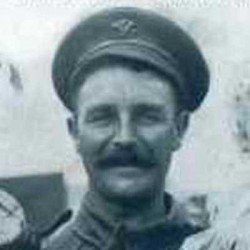
The Middle Parts of Fortune: Somme and Ancre, 1916
I found a list of the greatest military novels of all time, which offered a great opportunity although I question any such lists as the rankings can be impacted by a herd mentality. It did have one strong thing in its favor and that was a quote by Erest Hemingway that this book was, “The finest and noblest book of men in war.”. Who am I to quibble with Mr. Hemingway?
The novel takes place shortly after the disastrous battle of the Somme in 1916, the darkest day in the annals of the British Army when they managed to suffer over fifty-seven thousand casualties (nearly nineteen thousand dead and thirty-eight thousand wounded) on the first day of the joint British-French offensive. Designed to give a quick victory to the Allies, the battle turned into a four-and-a-half-month slugfest that cost a total of about one million casualties. The main outcome of the battle (aside from the slaughter) was that the German army finally realized that they were fighting a material war with human material.
There are no descriptions of the battle and how men were able to survive the battle; the entire novel centers on a small group of men who are pulled out of the line for refitting. They talk occasionally about lost comrades, pull guard duty, skip off to the local town to find a drink and are annoyed at officers who try to impose some of the discipline that was overlooked in the trenches.
The main character is known as Bourne, a bit of a loner who tries to get along with everyone. Earlier in the war he was recommended as officer material and with the huge losses in the war, the powers that be approach him on becoming an officer. The experience of war has put the shine off such prospect for Bourne but the natural forces of the military put him on a course that he accepts as he knows the force of the military. There are pages of dialog between him and men of his section, plans are made for drinking parties, and there are the usual complaints and grousing that is found in any similar situation.
I shall not provide the ending of the book or any moral if there is one, but I was disappointed that the ending was clear to see halfway through the book. Of course, in any novel about war the types of endings are rather limited, but it is so clear in this instance that it took the joy out of the reading. Why our friend Mr. Hemingway would make such a recommendation for the book is beyond me, but it proves that one can take recommendations with a grain of salt.


Leave a Comment