

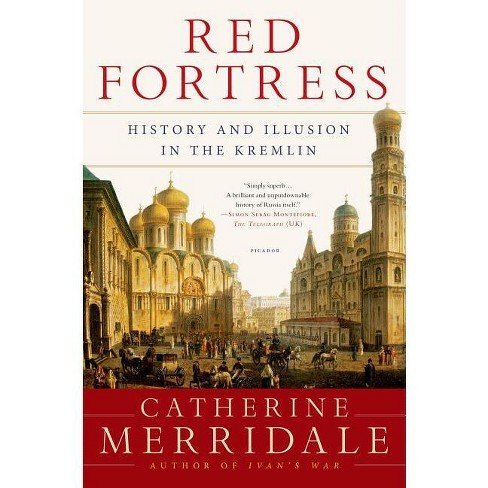
When one thinks of Russia, the image of the Kremlin comes to mind. In modern times (since 1917), the Kremlin has stood as the powerful image of a country which is difficult to grasp regarding its size, peoples and politics. And, for most of history, the Kremlin has been used as the political seat of power in Russia. Possession of this complex, which was built of wood for most of history and which has been destroyed by fire numerous times, has legitimized and symbolized the power of its owner.
Peter the Great moved his seat of government from Moscow to his new city on the sea (St. Petersburgh, then Petrograd, then Leningrad and finally St. Petersburgh) in order to start anew, away from the boyars (nobles) so he could make Russia look to the West. The Bolsheviks moved the seat of power back to the Kremlin to show their break with the past and today the Kremlin remains the seat of Russian power, poised half way between the West and the East. The Kremlin symbolizes the strength, stability and secret nature of the Russian state.
Burned, rebuilt, burned again and again, many treasures of the Kremlin have been lost, rebuilt and lost over the centuries. Precious icons, jewels, rich gowns not to mention at times, the nations gold reserves were stored in the Kremlin. Additionally, numerous churches and palaces of the closest noblemen were within it walls and all subject to the drives and whims of the Czar. It is as if Ft. Knox, the Library of Congress and the Smithsonian were all gathered together in a few square acres and closed to the public. Then, time after time again the complex suffered from massive fires.
No one really knows the full extent of the secret rooms and tunnels within the compound. And, it represents an opportunity for miracles to the Russian people; a few years ago a sacred icon rumored to have been destroyed by the Bolsheviks were “found” as they had been secretly preserved by workers when they were sealed behind a false wall. Although church attendance in Russia is falling, the “miraculous” recovery of the long-lost icon showed again the eternal strength and power of the Kremlin and its current “Czar” Vladimir Putin.




Leave a Comment