

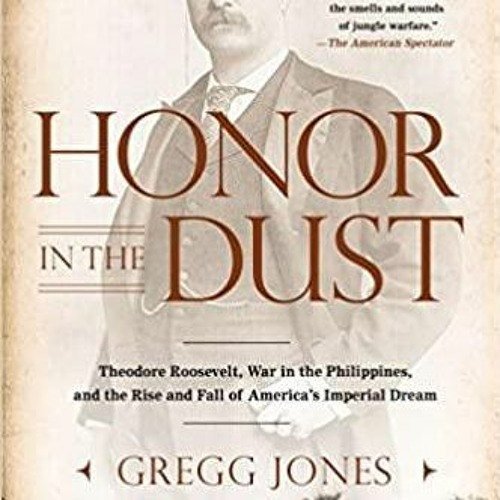
After conquering most of North America, the United States was filled with success and energy. The expansion of the economic power of the United States was viewed with awe by the Europeans and dynamic politicians, such as Theodore Roosevelt, Henry Cabot Lodge believed that it was the destiny of the United States to carry on into what is now called the “third world” to bring Christianity, modernity and progress to the inhabitants of those regions. Our soul was pure (unlike the Europeans who only sought to exploit those foreign lands) and we were sure that we would be welcomed with open arms as saviors.
The destruction of the battleship Maine in the harbor of Havana provided the opportunity to Under Secretary of the Navy Roosevelt whose immediate supervisor left the day to day running of the Navy to Roosevelt. Seizing the opportunity, Roosevelt and his fellow expansionists put in motion a war with Spain which led to not only Roosevelt’s famous charge in Canada but also the destruction of the outdated Spanish fleet in the Philippines. With the end of the war, the United States paid Spain between $15 to $20 million dollars and in return we ended up with the Philippines. Simple, except that the local “intelligencia” within the Philippines had their heart set on their setting up and governing an independent Philippines.
In the end, both parties were fooling themselves; the local Philippine leaders had neither the expertise, financing, military strength or history to create a nation, while the U.S. was not prepared for the “dirty” war that it would find itself caught up in as many of the locals responded to the call of local leaders.
As time went on, and the U.S. responded with great brutality to the guerillas (using the same techniques they learned from the guerillas), the image of a local primitive people welcoming the heroic Americans began to crumble. The U.S. was in the end able to win the war but it suffered a blow to its self-image thanks to the stories printed in the press which turned against the war as it went on.
Jones has presented story which shows the U.S. to be an aggressor and seems to gloss over the hundreds of schools, medical facilities, etc. which the U.S. constructed. He also totally ignores how it was that after such a brutal war, the people of the Philippines came to look upon the U.S. with fondness as we promised and moved towards Philippine independence (which was temporarily held up by World War II). This is a good basic book in helping one to understand the politics of the war and can be a starting point for future reading if one is so inclined.



Leave a Comment