

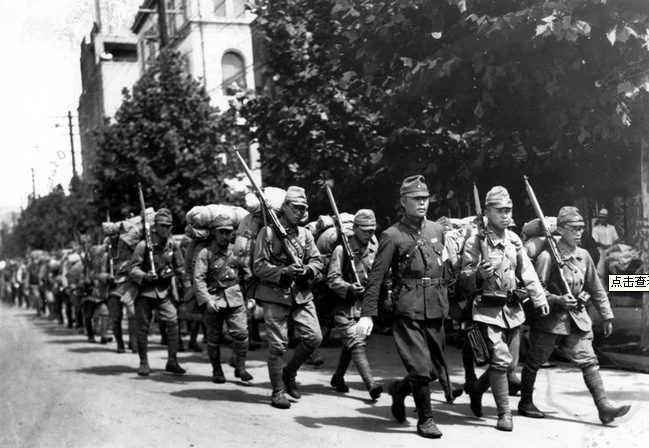
Much of the history of Japan lives withing a cloud of myth and legend along with a masterful manipulation of reality. This is especially true since the Meiji restoration whn the emperor was taken as the new central figure in Japan. Suddenly the Emperor, who had traditionally had no power and was controlled by the Shogun was presented figuratively to the population as divine and the central focus of Japanese life. Yet, the Emperor himself lived in a closed world or court etiquette and political intrigue.
This excellent history tells the story of who was the power behind the throne and of the vast scale of looting conducted by the Japanese during World War II. Within Imperial Japan, there was a cadre of powerful families, former samurai war lords who controlled the military and the zaibatsu and thus the economy. By controlling the military and the economy, they were able to work hand in hand with each other to gather enormous riches and unquestioned power, all while creating a cult around a compliant Emperor.
With the invasion of Manchuria, the local military, the Kwantung Army looted the country, becoming so wealthy that they were operate without the financial aid and control of the central authorities. This was not only permitted, but encouraged as long as the wealth was shared with the few controlling families. The looting was not confined to Manchuria however but was actively encouraged in all of the occupied territories. As the war continued and control of the seas was lost to the U.S. submarine fleet, huge caves were created in the occupied areas and tons of plunder was buried for extraction later. The project even included the murder of Japanese soldiers and sailors who did the physical labor or who transported the plunder so the safety of the treasure was insured.
After the war, because of the vast treasure, many of the those individuals who were on the war crimes lists were able to buy their way to freedom and were even allowed to become members of the new government. Although the zaibatsu were officially broken up by General MacArthur, in reality they merely reorganized under new names and continued to control the economy. This was often supported by both MacArthur who had his eye on the U.S. Presidency and powerful U.S. banking interests who had traditionally supported the Japanese government under the old Imperial system.
And what of the emperor? Was he merely a figurehead, an innocent who could do nothing to stop the war or control his military? Or, did he approve of the war with it’s mass murders, looting, rape and more? Certainly, the Emperor was not an unwilling pawn. His brothers were instrumental during the war in the areas of looting and atrocities and he fought to maintain his throne at the end of the war when it was suggested that he abdicate in favor of his son. He also worked closed with MacArthur to portray Japan as bankrupt in order to avoid reparations unlike the Germans who paid reparations even to his day. Perhaps the Emperor was like the mob boss who never has few people who can say anything to him directly but he has the reins of power firmly in his hands.
In the end, one wonders if the inner workings of Japan have changed. Certainly we see Japanese politicians who rise and fall, only to rise again like a Phoenix to maintain their grip on power. Hundreds of years of living behind veils of secrecy cannot be undone via decree especially when those who issue the decree have a vested interest in financial continuity.


Leave a Comment