

The author spent thirty years as an American diplomat in Washington, Bahrain, Saudi Arabia, Syria, Tunisia, and the UAE, including working for fifteen years as the Consulates in Jeddah and Dhahran. Fluent in Arabic. He participated in Operation Desert Storm, the Saudi accession to the WTO and the defeat of the al-Qaeda terror campaign in Saudi Arabia.
Unusual for a book of this type, Mr. Rundell not only writes about the history of the Royal Saudi family, but also provides real examples of policies they have taken through three different attempts to unite the Saudis and bring them into the modern world; he also lays out the challenges to change and various options for success. Yes, they are support by the Wahhabi movement, but the Royal House has been able to co-op them as the primary goal of the Wahhabi movement is stability. It is amazing to realize that as few as a dozen years ago, there was no public entertainment in Riyadh, “…no theaters, no cinemas, no sporting events that women could attend, no restaurants where unmarried couples could dine together, and no music anywhere.” Today, by law, at least 20% of many professions must be occupied by women, there is no public enforcement of gender segregation, women can drive without a chaperone, etc. That is not to say that women do not face challenges but overturning a thousand years of customs and laws in a tribal society cannot be done overnight. The last ruler to make such radical changes was Ataturk after World War I and he did not have to face a questioning international press.
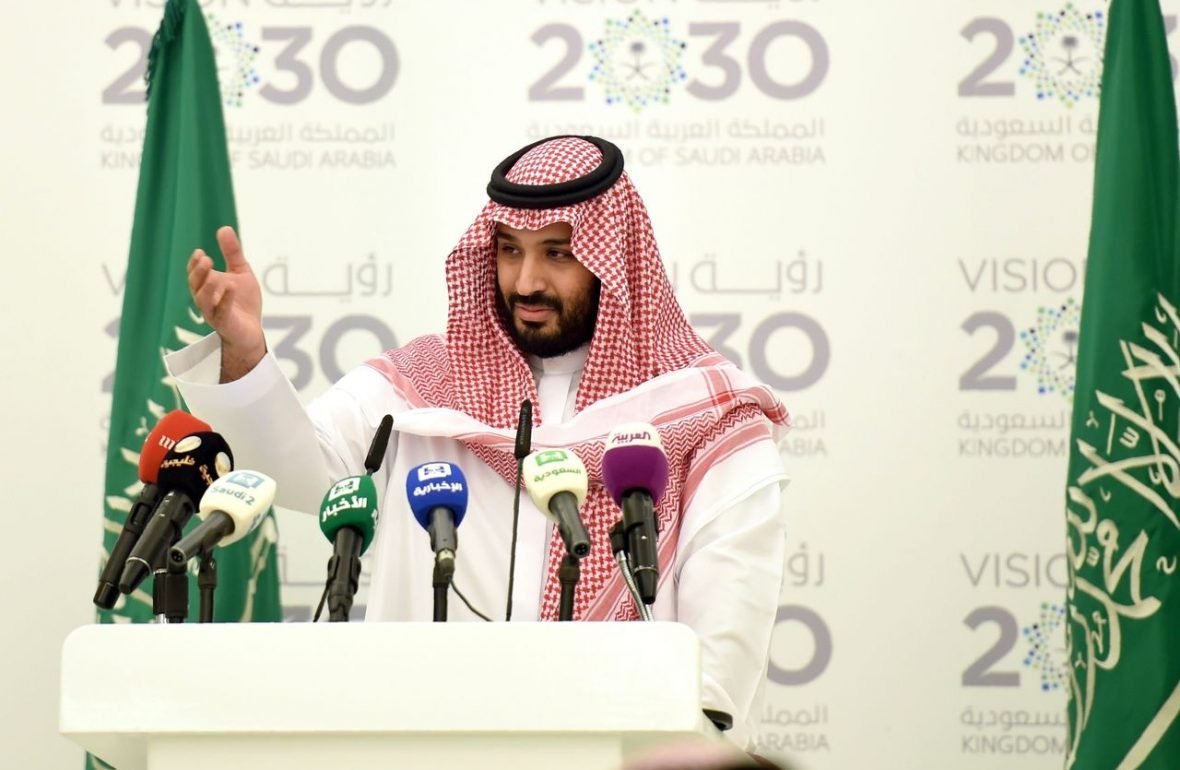
The current King is Salmin bin Abdul-Aziz Al Saud, but the public face of change is the Prince, Mohammed bin Salman Al-Saud also known as MBS. To carry out his vision of a modern nation with a diversified economic base, MBS has gone against many of the successful rules which has enabled the House of Saud to gather power and gradually bring their nation along. Arresting various Princes, current and former Ministers, curtailing the authority of the religious police and the Wahhabi clerics, has required careful action and is a race against time. The one key element in the reforms of MBS is the demographics of the nation which is heavily tilted towards a younger population which has been better educated than ever before and open to music, films, etc. of the West.
I strongly recommend this book for anyone seeking to learn not only about the history of Saudi Arabia, but also as a practical business handbook on how to balance the customs of tribalism, the need for reform and how to overcome institutional inertia.





Leave a Comment