

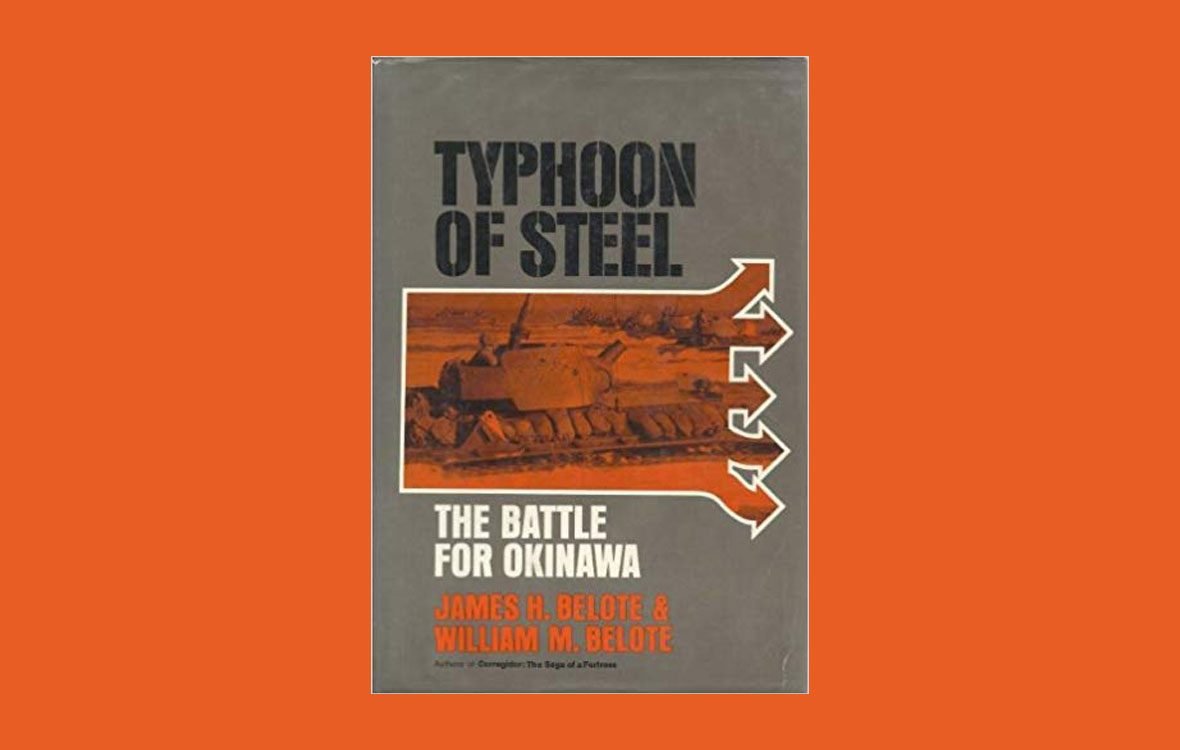
Okinawa is an often-forgotten battle; begun on April 1, 1956 and lasting for over two months, it was often overshadowed by the final days of the war in Europe (VE Day is May 8). The news stories of the victorious Allied armies meeting at the Elbe, the fall of Berlin and the surrender of hundreds of thousands of Germans took first place ahead of a battle on a grimy island that few had ever heard of and still fewer could find on a map. Yet, this (at the time) obscure battle had a decisive factor on the remaining war between the U.S. and Japan, for it was during this battle that the U.S. faced a full attack from the Kamikazes, a Japanese foe who was fighting on their home territory and where U.S. casualties began to equal Japanese losses.
Although the true situation concerning the war was kept from the general population (the Army did not know of the true size of the disaster at Midway until at least a year after the defeat), the war leaders in Tokyo knew that the defense of Okinawa was merely a delaying tactic to buy time for the build up of the defenses of the Japanese mainland. As such, the Army personnel on the island were written off early and supplies such as food, ammunition and medicine were held back as they were considered lost. The main defense of the island was centered on the difficult terrain which was riddled with caves and gullies which did much to nullify the superior fire power and mobility of the U.S. troops. The fighting on the land was closer to the battles of World War I where the “Queen of the Battlefield”, the infantry fought in close quarters with an enemy who realized they were expendable. Consequently, losses were high for the Americans with some units having a turn over replacement rate of over 400% during the 82 days of battle.
On the seas, the U.S. navy faced several major offensives by the Kamikazes. Realizing that their planes and training were inferior to the American forces, the Kamikazes were formed with the logic being that the pilots and planes would be lost anyway, so why not save the fuel, time for training, etc. and send the “volunteers” out to dive into the U.S. fleet of the island. The hit rate of the Kamikazes was much higher than any other Japanese air attacks against enemy vessels and in a perverse way, the strategy was sound. Losses from these attacks were large, with sixteen destroyer-type ships sunk, twenty-two smaller vessels lost, and three hundred sixty-eight other ships hit and damaged. Nearly ten thousand sailors were killed or wounded by these attacks.
On land, the killing was even higher. About a third of the native population was killed during the battle, thousands of them forced to face the invaders with little or no training and few weapons. Hundreds, perhaps thousands killed themselves by jumping off the cliffs into the sea while the regular Japanese troops fought as always to extremes (at the very end of the battle, a couple of hundred did finally surrender. Although exact numbers are not known, it is generally believed that about 150,000 islanders were killed, an amazing number as many died for Japan even though they were looked down upon by the Japanese.
Total military casualties were about 110,000 for the Imperial army and air force and for the U.S. about 82,000 killed and wounded.
Because of the fierce fighting on the island, the cost of the invasion of Japan became a major point of contention. General MacArthur who tended to play down potential losses estimated that while losses would be high, they could be acceptable. His estimates were based on an underestimation of Japanese forces. Another factor was war fatigue in the U.S. and the resentment of troops from the ETO being transferred to the Pacific. When estimates for a successful invasion reached one million, President Truman was faced with the question of how he could justify an invasion if a weapon such the atomic bomb was available.
The Belotes created an excellent history of the battle from all sides. Their description of the Kamikazes battles with the U.S. destroyers is gripping and one feels the strain on the part of the infantry who saw no way to get off the island except through wounds, death of killing the enemy. A well written book which included research from veterans of the battle.





Leave a Comment